
Technology in Buses - American Bus Sales
Menu
Toll Free: 866.574.9970

Defining Bus Terminology

Defining Bus Terminology

At American Bus Sales, we know navigating the world of bus terms can be a difficult task. That’s why we’re here to help! With our helpful guide to defining bus terminology, you can quickly and easily understand some of the most common industry terms.

Whether you’re an experienced bus buyer or just starting out, this guide will give you the edge when it comes to understanding bus terminology. From ‘Bus Type’ to ‘Wheelbase,’ you’ll be equipped with all the knowledge and terminology you need for a successful purchase.

Chassis:

The chassis is the framework or structure on which the bus is built. It is the base or foundation of the vehicle, providing support and strength. The chassis includes the frame, suspension, wheels, and other components necessary for the bus’s operation.

Body:

The body refers to the part of the bus that is built on top of the chassis. It encompasses the exterior shell, interior layout, seating, and other passenger accommodations. The body can vary in design depending on the type of bus, such as a school bus, coach, or city transit bus.

Wheelbase:

The wheelbase refers to the distance between the centers of the front and rear wheels of the bus. It plays a crucial role in determining the bus’s stability, maneuverability, and turning radius. A longer wheelbase provides more stability and a smoother ride, while a shorter wheelbase allows for better maneuverability in tight spaces.

Capacity:

The capacity of a bus refers to the maximum number of passengers it can accommodate. The seating arrangement and any standing room available typically determine it. Bus capacity can vary widely depending on the type and size of the bus, ranging from a few dozen to over a hundred passengers.

Transit Bus:

A transit bus is a type of bus primarily used for public transportation within a given area or city. It operates on fixed routes and typically has multiple entry and exit doors to facilitate passenger flow. Transit buses are designed for urban environments, with features such as low floors for easy boarding and wheelchair accessibility.

Coach Bus:

A coach bus is designed for long-distance travel between cities or regions. It provides more comfortable seating and amenities, such as onboard restrooms, storage compartments, and entertainment systems. Coach buses focus on passenger comfort during extended journeys.

Shuttle Bus:

A shuttle bus is smaller than a transit bus and typically does not have multiple doors. While it shares some traits with transit buses, they differ significantly because of their focus on shorter trips between two points, such as a hotel and the airport.

School Bus:

A school bus is specifically designed for the transportation of students to and from educational institutions. It prioritizes safety, with features like flashing lights, stop signs, and safety restraints for passengers. School buses also adhere to specific regulations regarding color, markings, and signage.

HVAC:

HVAC stands for Heating, Ventilation, and Air Conditioning. It refers to the system installed in a bus to provide comfortable temperature control for passengers. The HVAC system heats or cools the interior of the bus, ensuring a pleasant environment regardless of the outside weather conditions.

CCTV:

CCTV stands for Closed-Circuit Television. It refers to the use of video cameras and recording devices to monitor and enhance security on buses. CCTV systems can help prevent criminal activity, monitor passenger behavior, and provide evidence in case of incidents or disputes.

ADA Compliance:

ADA stands for the Americans with Disabilities Act, which ensures equal access and rights for individuals with disabilities. ADA compliance in buses means that the vehicles are designed and equipped to accommodate passengers with disabilities. This includes features such as wheelchair ramps, securement systems, and priority seating.

Preventive Maintenance:

Preventive maintenance refers to regular inspections, servicing, and upkeep of buses to prevent breakdowns and ensure their optimal functioning. It includes tasks like oil changes, fluid checks, tire rotations, and other routine maintenance procedures. Preventive maintenance helps identify potential issues early on, saving both time and money by avoiding major repairs.

OEM (Original Equipment Manufacturer):

OEM refers to the original manufacturer of a bus or its components. OEM parts are those produced by the same manufacturer and are often considered the most reliable and compatible for repairs or replacements. Using OEM parts helps maintain the integrity and quality of the bus.

Overhaul:

An overhaul refers to the process of extensive repairs or refurbishment of a bus. It involves taking the bus apart, inspecting and replacing worn-out components, and restoring it to a like-new condition. Overhauls are often performed at specific intervals to extend the bus’s lifespan and maintain its performance.

Fuel Efficiency:

Fuel efficiency refers to the amount of fuel consumed by the bus to travel a certain distance. Buses with higher fuel efficiency consume less fuel, reducing operating costs and minimizing environmental impact. Factors such as engine design, weight, aerodynamics, and maintenance practices contribute to fuel efficiency.

Hybrid/Electric Bus:

Hybrid buses use a combination of an internal combustion engine and an electric motor to propel the vehicle. This hybrid system reduces fuel consumption and emissions compared to conventional buses. On the other hand, electric buses run solely on electric power, resulting in zero emissions and lower operating costs.

Telematics:

Telematics involves the use of technology to monitor and gather data about a vehicle’s performance and operation. In the context of buses, telematics systems can track factors such as speed, location, fuel consumption, maintenance needs, and driver behavior. This data helps optimize operations, improve efficiency, and ensure safety and compliance.

Understanding these standard industry terms related to buses is essential in effectively communicating within the transportation sector. Whether you are involved in bus operations or simply curious about the terminology, having a basic knowledge of these terms will enhance your understanding and appreciation of the bus industry.

At American Bus Sales, we’re always here to help you find the perfect bus for your needs. Whether you need a fuel-efficient option or something with a higher passenger and seating capacity, our experienced sales team is ready to answer any questions you have about the terminology and features associated with each of our buses. Contact us today, and let us help you find the perfect bus! 1-866-574-9970

Contact Us

Contact Us
Hours: Mon-Fri 7:30AM-4:30PM
Website: https://americanbussales.net/
Phone: 1-866-574-9970
Address: 12802 North 103rd E Ave, Collinsville, OK 74012
Bus Technology Is Improving Rider Experience And Road Efficiency

Bus Technology Is Improving Rider Experience And Road Efficiency

Bus technology has come a long way since the first motorized bus design was built in 1895 in Germany. From the humble beginnings of rudimentary gasoline engines powering rear- and front-wheel drive bus models, today’s bus technology consists of comprehensive systems to improve the rider experience and road efficiency. Modern buses use a mix of innovative technology, from electric power sources and automated driving control to advanced safety systems and real-time connectivity.

Siginificant Advances

One of the most significant advances is in the use of electric power sources. Hybrid and fully electric buses have emerged as a green and cost-effective alternative to conventional gas-guzzling diesel buses. Electric buses are particularly suited to urban environments where air quality and noise reduction are essential considerations. Such buses also save money in terms of operating costs since they need no gas or oil changes. Instead, they require only battery charging or replacement, which can be done relatively cheaply depending on the size of the battery pack. However, electric power sources come with some significant challenges, from overcoming range limitations to the need for robust charging infrastructure to keep the bus fleet running efficiently.

A Critical Aspect

Another critical aspect of bus technology is automated driving control. Self-driving bus technology is still in its early stages, but it has recently been deployed in a few places around the world. For example, in Helsinki, Finland, a driverless shuttle fleet provides last-mile connectivity for commuters in residential zones. Fully self-driving buses are anticipated to offer enormous benefits in the near future for public transportation by enhancing rider safety and reducing driver fatigue. In addition, technology such as blind-spot sensors, adaptive cruise control, and lane-keeping assist systems are also making their way into the bus sector, improving safety, and trimming costs.

Fuel Consumption

Efficient fuel consumption is another significant contribution of modern bus technology that directly impacts the economy and environment. Buses equipped with diesel engines have always been notorious for high fuel consumption and carbon emissions. However, modern buses use combustion engines equipped with after-treatment systems to reduce greenhouse gases, nitrogen oxide, and particulate matter emissions. Smartly designed aerodynamic features like smooth rooflines, streamlined lights, and wing mirrors also boost efficiency, reducing air drag and wind resistance. In addition, buses are now designed with reduced weight to achieve better fuel consumption performance. Overall, by reducing the weight of materials used to make buses and engines, lighter configurations lead to higher fuel economy, thus, increasing cost savings.

Safety Features

Safety features are another area in which bus technology has made significant strides. These may include blind spot warnings, collision avoidance, driver assist, and brake monitoring systems, among others. The technology does not replace adequate training for drivers; instead, it provides them with an additional safety net for managing the bus’s freedom. For example, smart cameras fitted around the bus and mirrors offer drivers real-time visibility of blind spots. In addition, advanced systems using hydraulics or air brake systems enable the bus to stabilize in the event of a brake failure, collision, or rollover.

The advances in bus technology have made a tremendous difference in providing accessible transportation to those with disabilities. Buses are now equipped with wheelchair lifts and ramps, as well as automated announcements that provide audio information on bus stops and routes. They also come with low-floor designs, which make it easier for people who use wheelchairs or other mobility aids to board and disembark the bus. In addition, bus drivers receive specialized training on how to safely operate these features, making sure that passengers are able to access all areas of the vehicle. This includes special seating accommodations for those with physical impairments, hearing impairments, vision impairments, or cognitive impairments. All of these advances in bus technology have made public transportation a more accessible option for those with disabilities. They allow individuals to enjoy the same level of convenience and mobility as non-disabled passengers. As technological advancements continue, so will the capabilities of buses in providing accessibility to all riders.

Passenger Communication

Finally, bus technology also extends to real-time passenger communication and overall connectivity. Some manufacturers are developing advanced onboard digital infotainment platforms to increase passenger comfort, entertainment, and convenience. They allow onboard entertainment systems, continuous internet connectivity, and even smartphone charging points to be seamlessly integrated, offering passengers a more enjoyable and connected experience when riding the bus. Such connectivity features not only make the commute more enjoyable but can also provide platform planners the ability to track bus movements using GPS and load passengers onto areas that are underserved at certain times of the day. It also offers valuable feedback and analytics for bus service providers to redesign existing routes and for counties to consider future budget allocations.

Bus technology has progressed significantly in the world over the last century, from the conventional diesel combustion engine of the past to innovative, environmentally friendly electric-powered systems of the future. Automated driving systems improve safety and reduce costs, while real-time connectivity keeps passengers entertained and guides planning decisions. With advances in automated driving technology, connected systems, accessibility, and electric or hybrid power uptake, it is an exciting period in bus technology development that promises to deliver more convenient, cleaner, safer, and more enjoyable commutes for millions of people worldwide.

Partnering with American Bus Sales

At American Bus Sales, we are dedicated to providing quality new and used buses that meet the needs of our customers. We have a wide selection of buses from a variety of brands, including Ford, Chevrolet, International, Freightliner, and more. Our experienced staff can help you find the right bus for your individual requirements. With over 19 years in business, we know what it takes to get you the perfect bus for your particular needs. Whether you need an activity bus for field trips or a shuttle bus for corporate transportation, our team is here to help you make the best decision possible. We take pride in offering top-notch customer service and will work hard to ensure you have the perfect vehicle at a great price. So contact us today, and let us show you why American Bus Sales is the best choice for all your bus needs. Give us a call today to kickstart your next purchase for your fleet!

Contact Us

Contact Us
Hours: Mon-Fri 7:30AM-4:30PM
Website: https://americanbussales.net/
Phone: 1-866-574-9970
Address: 12802 North 103rd E Ave, Collinsville, OK 74012
Tech Trends that are Transforming School Buses

5 Tech Trends that are Transforming School Buses

School buses have come a long way since their inception. They have been transformed from being simple vehicles that transport students to and from school to high-tech machines that are equipped with all the latest technology. Here are five of the most important tech trends that are changing the way school buses operate.

Here is some important information about school buses:

1. Introducing WiFi on School Buses so Students can Complete Homework or Research During Their Commute

For many students, the school bus is an important part of their daily routine. It is a chance to catch up on sleep, chat with friends, or listen to music. However, the school bus can also be a great place to get some work done. With the introduction of WiFi on school buses, students can now use their commute to complete homework or do research. This is especially helpful for students who have long commutes, who live in rural areas, or who do not have WiFi access at home. In addition, WiFi on school buses can help to reduce behavior problems. When students are occupied with work, they are less likely to act out. As a result, WiFi on school buses can be a benefit for both students and educators.

2. Adding GPS Tracking to School Buses so Parents can Know Exactly When Their Child will Arrive Home

For many parents, school bus arrival times can be a source of anxiety and stress: “Will the bus be on time?” “Will my child be safe?” GPS tracking can help to ease those worries by providing real-time updates on school bus locations. With GPS tracking, parents can know exactly when their child’s bus will arrive, giving them peace of mind. In addition, GPS tracking can also help school districts to improve route planning and ensure that buses are running on time. As a result, GPS tracking is a win-win for parents and school districts alike.

3. Installing Security Cameras on School Buses to Deter Violence and Bullying

Every school day, millions of children board school buses to get to and from school. For many kids, the bus ride is an opportunity to catch up with friends, get work done, or play games. However, for some children, the bus ride is a source of fear and anxiety. Unfortunately, school bus bullying is a serious problem that can have lasting effects on a child’s well-being. One way to deter this type of bullying is to install security cameras on school buses. Cameras serve as a reminder that bad behavior will not be tolerated, and they can also be used to identify bullies and hold them accountable for their actions. In addition, the presence of cameras would make it easier for victims to speak up, knowing that they will be believed and supported. The addition of cameras to modern school buses can help to make school buses safe and welcoming spaces for all students.

4. Encouraging the Use of Apps and Digital Resources to Help Plan Routes and Track Bus Schedules

For school bus drivers, it is important to be familiar with the routes in their area. Driving the same route every day can help them to become familiar with the streets and landmarks. However, there may be times when they need to deviate from their usual route. This is where apps and digital resources come in handy. There are a variety of apps that can help them to plan routes and track bus schedules. One useful app is My School Bus, which helps users to track school bus routes and schedules. In addition, the simple use of a GPS can allow bus drivers to find the shortest routes and have access to real-time updates on bus arrival times. By using these apps, bus drivers can easily plan alternate routes and keep track of school bus schedules. As a result, they will be better prepared to provide safe and efficient transportation for your passengers.

5. Promoting the Use of Electric School Buses to Reduce Emissions and Save Money on Fuel Costs

School buses are a vital part of the educational system, transporting millions of students to and from school every day. However, school buses also have a significant impact on the environment. In fact, school bus fleets are responsible for emitting millions of tons of greenhouse gases each year. One way to reduce these emissions is by promoting the use of electric school buses. Electric school buses are powered by batteries, rather than fossil fuels, and produce zero emissions. In addition, electric school buses are more efficient than traditional school buses, resulting in lower fuel costs. As the cost of battery technology continues to decrease, electric school buses are becoming increasingly affordable for school districts and, in addition to being better for the environment, electric school buses can also save money on fuel costs in the long run.

Working with American Bus Sales

We at American Bus Sales are dedicated to providing the best experience possible for our customers. From models with luxury features to those equipped with the latest technology, we have a bus that will fit your needs. If you are not sure which model is right for you, our team of experts is ready and waiting to help. Give us a call today and see how easy it is to find the perfect bus for your next adventure.

Contact Us

Contact Us
Hours: Mon-Fri 7:30AM-4:30PM
Website: https://americanbussales.net/
Phone: 1-866-574-9970
Address: 12802 North 103rd E Ave, Collinsville, OK 74012

5 Ways that Technology has Changed Student Transportation

It’s no surprise that technology has changed drastically over the past few years. It has impacted our lives and the way that we work in almost every way. With the advancement of technology, our commutes have become quicker and safer than ever before!

Although we’ve seen technology advance greatly in areas like the classroom, our offices, and mobile devices, one of the areas that have been significantly impacted by the advancement in technology has been school transportation.

Here are some of the ways school bus technology has created a safer and more efficient means of transportation for your child:

Installing School Bus Technology in Your Fleet

You Can Easily Track Students

For parents, sending your child on the bus alone is often a nerve-wracking experience. However, now school buses come fully equipped with the right technology to track students easily. Some school districts use an ID tracking system to track every time a student exits or enters a school bus. When a child uses an ID paired with GPS technology, you can better monitor their location in real-time.

Security cameras also help keep track of students. Some districts have security cameras that integrate with smartphone applications so that parents can view live footage of their child on the bus. Both tools increase safety and help give parents, teachers, and school districts a peace of mind knowing that they have an efficient way to keep track of their students.

Wi-Fi on School Buses

Nowadays, many classrooms are interactive or completely online. Some school districts even provide students with tablets and laptops to bring home to help complete assignments. With more school systems adding wi-fi to their fleet, students have the ability to work on their assignments even if they don’t have the internet at home.

Stop-Arm Cameras

One of the biggest safety concerns that school buses encounter is when other drivers on the road ignore school bus stop-arms and continue to pass illegally. When a car illegally passes a stopped bus, it poses a huge safety risk for children as they’re getting on to and off of the bus.

One solution that was developed for this issue was to install stop-arm cameras. If a vehicle passes a bus with a stop-arm out, the camera will take a photo of the license plate. Then, law enforcement can locate and fine the driver.

Planning School Transportation

Before the advancement of technology, route planning was a frustrating and tedious task. Now with the right technology, you can optimize your bus routes easily. Using GPS technology, you can navigate the shortest, safest, and most efficient routes for your school buses. This could possibly add up to a huge savings of time, fuel, and money for your fleet!

The overall advancements of technology have allowed drivers to find the fastest and safest routes for your child!

GPS Systems Help with Emergency Management

If there is an emergency such as an accident or natural calamity, your GPS can help. Before technology, it was much more difficult to navigate vehicles in emergencies. They were unable to find the real-time locations of the bus. Now, when you use a GPS, your school authorities will be able to track down your emergency’s location almost instantly.

Installing New Technology in Your Fleet

At American Bus Sales, we sell and install a wide variety of different technology features for your fleet of school buses. We want to help make your morning and afternoon commute a safer and more enjoyable experience.

Don’t forget to check out our school bus technology and give us a call at 866-574-9970 today to learn more about our services!

Is This Technology in Your Fleet? If Not, Consider an Upgrade! 

With all of the technology available for fleets today, it can be overwhelming to decide what you need for your operations. Most fleets already have a management software solution, but there are plenty of other add-ons available to improve your operations.

Before choosing any technologies to invest in, let’s take a look at a few that have proven to improve fleet operations:

Technology for School Buses

Adding a GPS Tracking System to Your Fleet

One of the best ways to help you get to where you’re going is by adding a GPS to your fleet. With a GPS, you can improve your productivity while lowering your fuel costs and preventing distracted driving behaviors. Your GPS will help you get to your destination quickly and safely.

Install Forward-Looking Camera Systems

Vehicle cameras are a great safety feature that is constantly changing. Each year it seems that your dashcam videos have been getting better in quality. Many fleets like to include vehicle video systems in their buses because they help defend the driver in the case of a collision. Every move can be tracked using a forward camera system, so if your fleet gets involved in an accident, it will be captured on camera.

Mobile Technology and Applications

Because mobile technology and cellphone apps play a significant role in our lives today, you can expect to see them playing a significant role in the future of fleets. Nowadays, more drivers have been using mobile devices and tablets, as opposed to a binder full of papers, to help them complete their tasks more efficiently. Certain apps can assist drivers with planning routes, marking attendance, and helping drivers perform multiple takes with minimum disturbance.

Driver Tablets

In the past, school bus drivers would typically use printed out directions, and binders filled with everything they need to know about their students. Now, to help drivers increase accountability, safety, and efficiency, drivers are using in-vehicle tablets. The tablets will help drivers keep track of their daily tasks, while effectively communicating with their dispatch with information on what’s happening on the road. Believe it or not, these tablets help drivers become less distracted because now everything is in one place, and not in a stack of papers within a binder.

Adding Student Wifi to Your Fleet

Students spend a lot of their time on the bus for their morning and afternoon commute. With wifi playing a crucial role in everyone’s life, students should be able to access it during their commutes to get a head start on assignments during their long commutes.

Drivers can even use filters to make sure students are using the internet safely and not using this time for entertainment or gaming purposes.

Motion Detectors on Buses

No bus driver ever wants to have a child left behind on their bus. While there are plenty of safety features that prevent this problem from happening, it never hurts to have a system in place to ensure maximum safety.

Now, technology can help assist drivers by using motion detectors to detect any movement in a vehicle. It can pick up on even the slightest of movements, including heartbeat or breathing.

If the device detects a child on the bus after it has been parked, it will immediately alert the driver and operator of the fleet so that they can attend to the matters as quickly as possible.

Installing Technology into Your Fleet

At American Bus Sales, we sell and install many technology features for your fleet of school buses. Our goal is to make your drive safer, more efficient, and more enjoyable experience. Check out our available technology and give us a call at 866-574-9970 today with any questions!

Wi-Fi On Buses Makes Long Daily Trips Educational

Driver shortages are having a notable impact on schools across the country. Schools are being forced to reduce the number of routes available, which causes daily bus commute times to extend upwards over an over for many students.

For students who ride these long routes every day, the trip can be long and reduce the time available for homework and other school-related activities, but some districts are finding a new way to turn the daily bus trip into an educational experience.

Schools are partnering with Wi-Fi providers to make the trip to and from school each day an opportunity for students to learn.

“Many students endure a commute of up to 90 minutes one way, and those hours add up over the year … Outfitting buses with educational Wi-Fi can make a huge positive difference for many students, and it is an affordable solution for administrators looking to connect many students at one time,” Daniel Neal, Kajeet founder and CEO, told School Transportation News. “Educational Wi-Fi enabled buses extend the classroom—whether it’s for research or connecting with a teacher—each student will have ways to connect with their instructional content.”

Kajeet is a wireless provider who has launched SmartBus, a popular solution for schools looking to add Wi-Fi to their school vehicles.

“… Connectivity in non-traditional spaces is becoming increasingly relevant. Our students will benefit from Wi-Fi on the Go, transforming school buses into vehicles for learning and expanding opportunities to learn before and beyond the bell,” said Miami Dade County Superintendent Alberto M. Carvalho.

Radio Engineering Industries, a provider of commercial mobile electronics and fleet/passenger software systems, is steadily improving its Wi-Fi options for school buses. One way they are doing this Is by offering different data plans with the purchase of a router.

The router distributes access to up to 65 passengers. Each school has the option of blocking certain websites and requiring password logins for added safety and security.

“REI’s solution to combine Wi-Fi routers with data plans, benefits students to stay connected to their classroom while on their bus,” the company said in a statement.

Here Comes The Bus App Gives Parents Real-Time Bus Arrival Info

Here Comes The Bus

An app called Here Comes the Bus recently launched by Synovia Solutions promises to help keep parents informed about where their children are in real-time.

Here Comes the Bus, also available as a website, provides parents with the real-time location of their child’s school bus via computer, tablet, or mobile phone for the new school year, said Elizabeth James, director of product strategy at Synovia Solutions.

The app can also alert parents when their child’s bus is near or update parents when the bus is delayed. This way parents can avoid long wait times while always being there to meet their children at the bus stop. This is especially useful in inclement weather.

Company officials also said making this information available improves a school district’s customer service to parents and reduce bus-related phone calls.

School districts can choose to offer parents either basic or full access to the app, according to James. Basic access gives parents access to real-time bus locations on any device via the Here Comes the Bus app, while full access allows parents to purchase the app, which offers push notifications.

With the app or website, parents will be automatically alerted when their child’s bus enters a certain perimeter, giving parents time to prepare to their child to be at the stop on time.

The app includes a map display pinpointing the location of the bus in real time, so parents can know if it is running early or late; student arrival and departure information at the bus stop and the school; notifications of bus arrival times; and student privacy, with private ID numbers issued to parents so they can only access information on their child’s bus.

The app is built using Synovia’s Silverlining platform and integrates six of its tracking tools to allow Her Comes the Bus to manage issues such as buses being substituted at the last minute.

“Our back-end system is designed to keep updating information for school districts and school bus contractors, who are now conditioned to look at the buses as parents would,” explained James.

Indiana Parents Use App To Track Their Child’s School Bus

When school is back in session this fall, parents in central Indiana will be using a new service that will help them keep track of their kids’ school buses and make sure they get home safely, according to local news reports.

Here Comes the Bus is an app developed by local company Synovia which works by accessing GPS systems already installed on district school buses and relaying this information back to parents in real time. The system also includes an alert system that will text parents when the bus is close to their child’s stop.

Wayne Township, Decatur Township, and Avon Schools will be the first districts to launch the program at the start of the school year, and parents can sign up for the service through district websites.

“They can set it up right now,” Wayne Township Director of Transportation Janet Petrisin told Fox 59 reporter Jill Glavan.

Parents don’t have to have a smartphone to take advantage of the service, either. They can use a phone, tablet, or desktop computer to access it. The schools also believe the system is “very secure” as you need a school district code and student ID number to sign up.

While it is free to use the service online, parents will have to pay to receive alerts on phone or tablet.

Kansas District Approves Plan For School Bus Cameras and GPS Monitoring

School bus surveillance is becoming increasingly common across the country despite some concerns about student privacy, and one Kansas district shows how many schools are working to keep children safe with security cameras and bus tracking.

Garden City Telegram reports Holcomb Unified School District 363 plans on installing security cameras that will record video and audio inside its school buses, as well as tracking school buses’ locations and speeds.

The school board for the district recently approved a bid for a security camera system from Kansas Truck Equipment Co., which will outfit buses with four cameras that will include an infrared setting and be capable of recording day and night. Some of the cameras will also be equipped with a GPS receiver which will monitor location and speed of the bus.

Jean Rush, the district’s superintendent, told Garden City Telegram the plan to install the cameras was not spurred by any particular event on the school buses; the cameras are intended to add more safety and accountability for the district. Rush could not give a specific date for when the system will be installed, according to the newspaper.

School board President Matt Jones also told the newspaper the cameras are just one part of a larger security plan that was started in motion over one year ago. The district intends to also install more security cameras in school buildings and parking lots, as well as potentially remodeling school entrances for increased security.

For the full story from Garden City Telegram, click here.

Cummins QSOL App Comes To Android

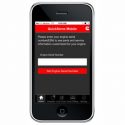
 Engine_Serial_Number_Screen_Mobile.5446a260d9a86

Many school bus drivers, mechanics, and transportation administrations have found great use for the Cummins QuickServe Online (QSOL) mobile app on Apple smartphones, and now the tool is available for Android users as well.

The QSOL app gives users on-the-go access to Cummins parts information and options, parts catalogs, and engine dataplate information for over 15 million Cummins engine serial numbers.

QSOL also features a fault code analyzer for Cummins electronic engines, which gives users specific fault code details and analysis including an explanation of current fault codes, which fault codes are dependent on other fault codes, and which fault code is most important to fix first.

“The QuickServe Online mobile app for Android devices enables many more owners of Cummins engines to access genuine Cummins parts information easier than ever before, giving them the most accurate information faster and getting them back on the road quicker,” said Mike Champlin, director of information products for Cummins new and ReCon parts.

The QSOL app for Android devices is now available for free download in the Google Play store here.