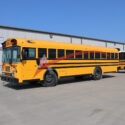



As a leading provider of high-quality buses in America, we at American Bus Sales understand the importance of proper storage and maintenance for buses during off-seasons. Buses are a significant investment and require consistent care to ensure their longevity and optimal performance.
In this article, we will provide ten essential tips for properly storing and maintaining buses during off-seasons. These tips are crucial for any bus owner or operator looking to protect their investment and keep their buses in top condition. But first, let’s discuss what bus maintenance usually looks like and why it is so important.
The Importance of Bus Maintenance
Before storing your buses, make sure to check the tire pressure. Over time, tires can lose air and become flat if they are left stationary for extended periods of time. Properly inflated tires will also prevent flat spots from forming, which can lead to uneven wear and tear.
Tip 6: Monitor Fluid Levels
It’s essential to monitor the fluid levels in your buses before storing them for the off-season. This includes checking the oil, coolant, and transmission fluid levels. Top off any fluids that are low and consider changing them if necessary. This will help prevent corrosion and other damage to essential engine components.
Tip 7: Disconnect Batteries
To prevent battery drain, it’s recommended to disconnect the batteries of your buses during off-season storage. This will also help preserve the life of the batteries and prevent potential hazards from occurring.
Tip 8: Keep a Maintenance Schedule
Create a maintenance schedule for your buses during the off-season. This should include regular checks and tasks such as starting the buses to circulate fluids and prevent rust, checking for any leaks or damages, and rotating the tires. Sticking to a maintenance schedule will help ensure that your buses are in good condition when it’s time to use them again.
Tip 9: Consider Using Fuel Stabilizer
If your buses will be sitting idle for an extended period of time, consider using a fuel stabilizer. This will help prevent the fuel from breaking down and causing issues when it’s time to use the buses again. Be sure to follow the manufacturer’s instructions for proper usage.
Tip 10: Plan Ahead
Lastly, it’s essential to plan ahead for off-season storage and maintenance of your buses. This includes budgeting for any necessary repairs or maintenance tasks, as well as setting aside time and resources to properly care for your vehicles. Planning ahead will help ensure that your buses are in top condition and ready to hit the road when needed.
By following these ten tips, you can ensure that your buses are correctly stored and maintained during off-seasons, which will ultimately lead to longevity and cost savings in the long run. So don’t wait; start implementing these tips today to ensure the longevity of your buses and peace of mind during off-seasons. Remember, proper storage and maintenance is vital to protecting your investment and keeping your buses in top condition for future use.
American Bus Sales
Trust American Bus Sales for all your bus needs and contact us today for more information on our services! Our team of experts will be happy to assist you with any questions or concerns you may have. Let us help you keep your buses running smoothly and efficiently for years to come. Don’t wait until it’s too late, start properly storing and maintaining your buses now to ensure their longevity. Thank you for choosing American Bus Sales, where we put our customers first! Call us at 866-574-9970
Contact Us
Contact Us Hours: Mon-Fri 7:30AM-4:30PM
Website: https://americanbussales.net/
Phone: 1-866-574-9970
Address: 12802 North 103rd E Ave, Collinsville, OK 74012
Regular maintenance is critical for the safe and efficient operation of any vehicle, including buses. Buses are complex machines with many moving parts that need to be regularly inspected and serviced to ensure they continue to function properly.
Bus maintenance typically involves routine inspections, fluid checks and changes, tire rotations, and other preventative measures. These tasks not only keep the bus running smoothly but also help identify any potential issues before they become more significant and costly problems.
Aside from ensuring the bus’s performance, regular maintenance also helps maintain its value. A well-maintained bus can fetch a higher resale price in the future, making it a smart investment for any bus owner.
Properly Storing Buses During Off-Seasons
During off-seasons, buses may not be used as frequently or sit idle for extended periods. It is essential to properly store them during this time to prevent any damage and ensure they are ready for use when the season starts again.
Here are ten tips for properly storing and maintaining buses during off-seasons:
Tip 1: Clean Thoroughly
Before storing your buses for the off-season, it’s essential to give them a thorough cleaning. This includes both the interior and exterior of the vehicles. Dirt and grime can cause corrosion and other damage if left on the bus for an extended period of time. Make sure to use appropriate cleaning products and techniques for each part of the bus, such as using a degreaser for the engine and scrubbing the floors with a mild detergent.
Tip 2: Address Any Repairs
While cleaning your buses, make sure to inspect for any damages, such as cracks, dents, or rust. These should be repaired before storing the bus to prevent further deterioration during the off-season. It is also a good idea to have a professional mechanic inspect the engine and other mechanical components for any issues that may need to be addressed.
Tip 3: Protect Against Pests
Pests can cause significant damage to buses if they are left unchecked during off-season storage. To prevent this, make sure to thoroughly clean and seal any potential entry points, such as vents and doors. You may also want to consider using pest control methods, such as setting traps or using repellents.
Tip 4: Store in a Covered Area
Ideally, buses should be stored in a covered area during the off-season. This will protect them from the elements, including harsh weather conditions and UV rays. If a covered storage space is not available, consider investing in a sturdy cover to protect the buses.
Tip 5: Check Tire Pressure
Before storing your buses, make sure to check the tire pressure. Over time, tires can lose air and become flat if they are left stationary for extended periods of time. Properly inflated tires will also prevent flat spots from forming, which can lead to uneven wear and tear.
Tip 6: Monitor Fluid Levels
It’s essential to monitor the fluid levels in your buses before storing them for the off-season. This includes checking the oil, coolant, and transmission fluid levels. Top off any fluids that are low and consider changing them if necessary. This will help prevent corrosion and other damage to essential engine components.
Tip 7: Disconnect Batteries
To prevent battery drain, it’s recommended to disconnect the batteries of your buses during off-season storage. This will also help preserve the life of the batteries and prevent potential hazards from occurring.
Tip 8: Keep a Maintenance Schedule
Create a maintenance schedule for your buses during the off-season. This should include regular checks and tasks such as starting the buses to circulate fluids and prevent rust, checking for any leaks or damages, and rotating the tires. Sticking to a maintenance schedule will help ensure that your buses are in good condition when it’s time to use them again.
Tip 9: Consider Using Fuel Stabilizer
If your buses will be sitting idle for an extended period of time, consider using a fuel stabilizer. This will help prevent the fuel from breaking down and causing issues when it’s time to use the buses again. Be sure to follow the manufacturer’s instructions for proper usage.
Tip 10: Plan Ahead
Lastly, it’s essential to plan ahead for off-season storage and maintenance of your buses. This includes budgeting for any necessary repairs or maintenance tasks, as well as setting aside time and resources to properly care for your vehicles. Planning ahead will help ensure that your buses are in top condition and ready to hit the road when needed.
By following these ten tips, you can ensure that your buses are correctly stored and maintained during off-seasons, which will ultimately lead to longevity and cost savings in the long run. So don’t wait; start implementing these tips today to ensure the longevity of your buses and peace of mind during off-seasons. Remember, proper storage and maintenance is vital to protecting your investment and keeping your buses in top condition for future use.
American Bus Sales
Trust American Bus Sales for all your bus needs and contact us today for more information on our services! Our team of experts will be happy to assist you with any questions or concerns you may have. Let us help you keep your buses running smoothly and efficiently for years to come. Don’t wait until it’s too late, start properly storing and maintaining your buses now to ensure their longevity. Thank you for choosing American Bus Sales, where we put our customers first! Call us at 866-574-9970
Contact Us
Contact Us Hours: Mon-Fri 7:30AM-4:30PM
Website: https://americanbussales.net/
Phone: 1-866-574-9970
Address: 12802 North 103rd E Ave, Collinsville, OK 74012