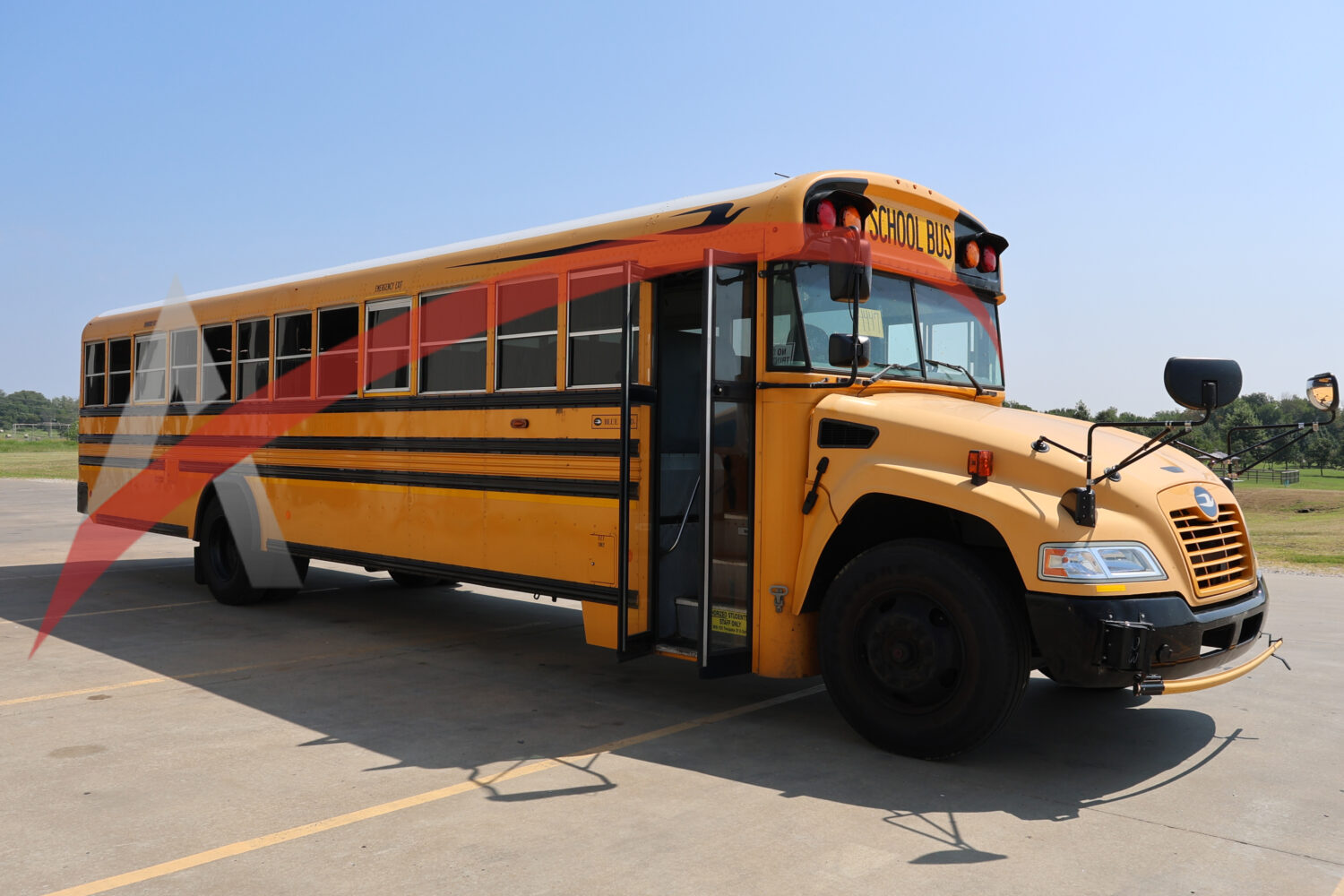
school buses - American Bus Sales
Menu
Toll Free: 866.574.9970

Signs You’re Ready to Upgrade Your Bus Fleet

School Buses

Running a successful transportation business means making smart decisions long before a vehicle reaches the end of its life. Whether you operate charter buses, church transportation, tour coaches, employee shuttles, or a mixed commercial fleet, your buses are some of your biggest investments. Getting the most out of each one is important, but hanging onto aging equipment for too long can end up costing more than replacing it.

Knowing when it’s time to upgrade isn’t always obvious. A bus may still run well enough to get from one destination to another, but that doesn’t necessarily mean it’s serving your business as efficiently as it should. Maintenance costs rise, customer expectations change, and newer models offer improvements that can make daily operations much easier.

At American Bus Sales, we help customers across the country find dependable used buses and motorcoaches that fit their budget and business goals. If you’ve been wondering whether it’s time to refresh your fleet, here are some signs worth paying attention to.


Your Maintenance Bills Keep Climbing

Every vehicle needs routine maintenance. Oil changes, brake service, tire replacements, and scheduled inspections are simply part of owning a fleet.

Problems begin when routine expenses turn into frequent repairs. If a bus spends more time in the shop than on the road, it’s time to step back and assess the situation. Major repairs like transmissions, engines, electrical parts, HVAC systems, or suspension can quickly drain your budget. Even if repairs go well, the downtime leads to missed trips, scheduling problems, and dissatisfied customers.

Rather than spending thousands on an old bus every few months, many fleet owners see that buying a newer used model is a smarter financial move. A dependable replacement can lower repair costs and give you a vehicle that’s ready to go right away.


Breakdowns Are Becoming More Common

Nobody wants to receive a call saying a bus is stranded on the side of the highway.

Unexpected breakdowns impact more than just your maintenance costs. They can hurt your reputation. Passengers count on reliable transportation, whether it’s for a school event, a corporate retreat, or a cross-country tour. Each delayed pickup or canceled trip makes customers less confident in your service. If you’re starting to doubt whether a bus will make it through another trip, that’s often your answer.

Reliability is important. When your drivers trust the fleet, scheduling becomes easier and customers are more likely to book with you again.


Your Fleet No Longer Matches Your Business

Businesses evolve. Maybe you now offer longer charter trips. You might have added airport runs, sports teams, church groups, or corporate clients. The buses that worked five or ten years ago might not suit your current needs.

For example, a company that used to run short local routes might now need coaches with bigger luggage areas and more comfortable seats. A growing shuttle service could benefit from vehicles with different passenger capacities to better meet demand.

Upgrading doesn’t always mean swapping out every bus. Sometimes it just means adding vehicles that fit your current work better. Your fleet should help your business grow, not hold it back.


Drivers Are Complaining More Often

Drivers spend more time in your buses than anyone. When experienced drivers keep mentioning mechanical issues, uncomfortable seats, poor visibility, unreliable air conditioning, or old controls, it’s important to pay attention. Small problems can add up over hundreds of hours on the road.

Drivers who are comfortable are usually more productive, more confident, and better focused on the road. While newer buses can’t fix every problem, better ergonomics and improved vehicle condition can make a real difference. Satisfied drivers also tend to stay longer, which helps in an industry where experienced operators matter.


You’re Losing Business to Better Equipment

Customers notice more than you might expect. Clean interiors, comfortable seats, working climate control, smooth rides, and a good looking exterior all affect the passenger experience. If your competitors have newer buses with updated interiors and your fleet is starting to look old, potential customers may pick another company before even asking for a quote.

This doesn’t mean every vehicle needs to look brand new. It just means your fleet should show the professionalism you want your company to represent. Upgrading even part of your fleet can help your business stay competitive in a busy market.


Fuel Costs Continue to Rise

Fuel is one of the biggest costs for transportation companies. Older buses usually use more fuel than newer ones, especially if they’re not in great shape or need frequent repairs to run well. Even small improvements in fuel efficiency can make a big difference over thousands of miles each year. When deciding whether to replace a bus, don’t just look at the purchase price. Think about what you’re spending now on fuel, repairs, downtime, and lost productivity. Seeing the whole picture can often change your decision.


You’re Turning Down Opportunities

Sometimes, the biggest sign it’s time to upgrade isn’t about mechanics, it’s about business. If you’ve had to turn down charter requests because you don’t have enough buses, the right size vehicle, or you’re not comfortable sending an older coach on a long trip, your fleet might be limiting your business.

Growth often starts with having the right equipment available when customers call. Adding another reliable bus gives you more flexibility to take on new clients, schedule trips that overlap, and grow into new markets without overworking your current fleet.


The Numbers Finally Make Sense

Sometimes the decision comes down to simple math.

If yearly repair costs keep going up while reliability drops, replacing an old bus could actually lower your long-term expenses. Many fleet owners wait until a major breakdown forces them to buy. Planning ahead gives you more time to compare options, look at financing, and pick buses that really fit your business instead of just taking what’s available right away.

Planning also helps avoid disruptions during busy travel seasons.


Why Buying a Quality Used Bus Makes Sense

Upgrading your fleet doesn’t always mean buying brand-new vehicles.

Many businesses pick quality used buses because they balance value and performance well. A well-kept used motorcoach can give you years of reliable service for much less than buying new. This lets companies grow their fleet, replace old equipment, or improve passenger comfort without going over budget.

Whether you’re adding one coach or replacing several vehicles over time, buying used gives you more flexibility and still keeps quality high.


Find the Right Bus for Your Growing Fleet

Every fleet reaches a point where keeping older buses on the road becomes more expensive than investing in something better. Recognizing that point can save money, improve reliability, and create new opportunities for growth.

If you’re seeing higher repair bills, more downtime, changing customer expectations, or increased demand for your services, it may be time to start exploring your options.

At American Bus Sales, we proudly help businesses nationwide find dependable used and new buses and motorcoaches for every type of operation. Whether you’re looking for a single coach or planning a larger fleet upgrade, our team can help you find the right vehicle at the right price.

Browse our inventory today or contact American Bus Sales at 866.574.9970 to learn more about our selection of quality buses for sale. We’re here to help you keep your business moving forward with confidence.

Contact Us
Hours: Mon-Fri 7:30AM-4:30PM
Website: https://americanbussales.net/
Phone: 866-574-9970
Address: 12802 North 103rd E Ave, Collinsville, OK 74012

What Affects the Resale Value of Your Bus?

Buses

Whether you operate a transportation company, a church ministry, or a school fleet, purchasing a bus is an important investment. But just like cars and trucks, buses don’t hold the same value forever. Overtime age, mileage, condition, and market demand all influence what your bus will be worth when it’s time to sell or trade it in.

At American Bus Sales, we understand how important resale value is to fleet owners and organizations. Knowing what affects that value helps you protect your investment, plan for future upgrades, and make smart buying decisions from the start.

Let’s take a closer look at the main factors that impact the resale value of your bus, and how you can maintain the highest possible return when you’re ready to sell.

1. Age and Mileage

It’s no surprise that age and mileage are two of the biggest factors affecting resale value. Like most vehicles, the older a bus gets and the more miles it racks up, the lower its resale value tends to be.

However, buses depreciate differently depending on their type and use. For example:

• A well-maintained charter or coach bus may retain value longer due to better build quality and lower annual mileage.

• A school bus that operates on a daily route may show more wear and tear after just a few years.

Still, regular maintenance and consistent service records can help offset age and mileage. A newer bus with neglected care often sells for less than an older bus that’s been meticulously maintained.

At American Bus Sales, we often remind our customers: buyers don’t just look at how old your bus is, they look at how well it’s been cared for.

Spring Maintenance: Recover from Winter

After months of cold temperatures, road salt, and ice, spring is the perfect time to give your buses a thorough inspection.

2. Maintenance History and Service Records

Nothing builds buyer confidence like a clear and complete maintenance history. When a potential buyer can see that your bus has been properly serviced, it immediately increases the vehicle’s appeal and resale price.

Keep detailed records of:

• Oil changes and filter replacements

• Brake and tire inspections

• Transmission and engine service

• HVAC system maintenance

• Safety inspections and repairs

Even small items, like cleaning logs or notes about interior reupholstery, can make a difference. A clean paper trail tells buyers the bus has been cared for, reducing uncertainty and helping you command a higher price.

At American Bus Sales, every used bus we sell is fully inspected, serviced, and documented, because transparency builds trust and value.

3. Overall Condition: Exterior, Interior, and Mechanical

The physical condition of your bus is one of the first things buyers notice. Dents, rust, faded paint, torn seats, or worn flooring can all lower the resale price. On the flip side, a bus that looks clean, smells fresh, and runs smoothly will naturally attract more attention and higher offers.

To maintain your bus’s condition and resale value:

• Wash and wax the exterior regularly to prevent corrosion.

• Keep the interior clean and odor-free, especially if your bus carries passengers daily.

• Repair small issues early, before they turn into bigger (and more expensive) problems.

• Consider upgrading worn materials like seats, flooring, or lighting before selling.

Mechanical condition is equally important. Buyers and appraisers will often look at the engine performance, transmission health, suspension, and brakes before determining a price. Even small leaks or noises can raise red flags and reduce perceived value.

If you plan to sell your bus, scheduling a professional inspection before listing it can help you identify and fix issues that might lower its resale price.

4. Make, Model, and Brand Reputation

Not all buses hold value the same way. Some brands are known for their durability and dependability, which helps them maintain higher resale prices over time.

Manufacturers like MCI, Blue Bird, Prevost, Thomas Built, and International have built strong reputations in the industry for producing long-lasting, easy-to-service buses. A well-known, reputable brand gives buyers confidence, and that translates into a better resale value.

Additionally, the model of the bus matters. Certain models are in higher demand depending on their features and use case. For example:

• Shuttle buses with ADA accessibility retain strong resale value.

• Coach buses with restrooms and entertainment systems appeal to travel companies.

• School buses with low mileage and recent safety upgrades sell faster to public and private schools.

If you’re buying new, choosing a trusted brand and model with broad appeal is one of the best ways to protect future resale value.

5. Market Demand and Timing

Just like real estate or farming equipment, market demand can fluctuate, and timing your sale can make a big difference.

For example, during peak seasons (like late summer when schools and tour operators are preparing for fall schedules), used bus demand tends to rise. Similarly, supply shortages of new buses can boost demand, and resale prices, for used ones.

Other factors that affect market value include:

• Fuel prices (buyers may prefer more efficient buses when gas prices rise)

• Economic conditions (strong economies drive higher fleet investment)

• Industry trends (such as electric or hybrid bus demand)

At American Bus Sales, we monitor market trends year-round to help customers understand when it’s the best time to buy or sell.

6. Upgrades and Custom Features

Modern features and upgrades can give your bus a competitive edge in the resale market. Buyers love convenience, comfort, and safety, especially when it’s already built in.

Common upgrades that increase resale value include:

• Air conditioning and heating systems in good working order

• ADA accessibility, lifts, and ramps

• Backup cameras and GPS tracking

• Modern seating, flooring, and LED lighting

• USB charging ports or Wi-Fi for passenger convenience

If you’ve made thoughtful upgrades or installed new equipment, make sure to document them. Highlighting improvements in your listing can help justify a higher asking price.

That said, not all upgrades add equal value. Luxury features may not appeal to every buyer, so focus on practical, widely desired options that improve safety, comfort, and efficiency.

7. Fuel Type and Efficiency

The engine type and fuel efficiency of your bus can also influence resale value, especially as fuel costs and emissions regulations continue to evolve.

Diesel engines have traditionally been popular for their power and longevity, but clean diesel, propane, and CNG (compressed natural gas) models are gaining popularity for being more eco-friendly and cost-effective over time.

Electric and hybrid buses are another fast-growing segment. As infrastructure improves, these options are expected to retain strong resale value because of lower operating costs and increasing demand for greener transportation.

If you’re purchasing a new bus today, consider future fuel trends. A bus that’s efficient and compliant with environmental standards will hold value longer and appeal to a broader market later on.

8. Documentation and Title History

Paperwork might not be exciting, but it’s essential for resale. Buses with clean titles, up-to-date registrations, and complete maintenance documentation are easier to sell and command better prices.

Potential buyers may walk away from a deal if:

• The title is branded (e.g., rebuilt, salvage, or flood).

• The maintenance records are missing.

• The bus has a history of accidents or major repairs.

Always keep your records organized and accessible. The more documentation you can provide, the more confident a buyer will feel in paying your asking price.

9. Visual Appeal and First Impressions

When it comes to resale, first impressions matter. A bus that looks clean, polished, and professional instantly attracts more interest. Buyers often make emotional decisions based on appearance before ever checking the mechanical details.

A simple detail job like washing, waxing, cleaning seats, and shining tires, can go a long way. Repainting or replacing faded decals can also give your bus a “like-new” look without a major investment.

If you’re listing photos online, good lighting and clear angles help showcase your bus’s best features. The goal is to make your listing stand out and tell buyers, “This vehicle was cared for.”

10. Partnering with the Right Dealer

Finally, where you sell your bus can make a major difference in resale value. Working with an experienced, reputable dealer like American Bus Sales can help you get the best possible return.

We have decades of experience buying, selling, and reconditioning buses of all types, school buses, shuttle buses, coach buses, and more. Our experts know exactly what today’s buyers are looking for and how to present your bus in the best possible light.

Final Thoughts

Your bus is an investment, and like any investment, protecting its value takes effort. Regular maintenance, smart upgrades, and clean documentation go a long way in helping your bus hold its worth.

When you’re ready to sell, turn to American Bus Sales. We’ll help you understand the true market value of your vehicle and give you an honest appraisal.

Whether you’re upgrading your fleet or selling a single unit, our goal is to make sure you get the maximum resale value for your bus, because your hard work deserves the best return possible.

Contact American Bus Sales today at 866.574.9970 to learn more about our buses for sale.

Contact Us
Hours: Mon-Fri 7:30AM-4:30PM
Website: https://americanbussales.net/
Phone: 866-574-9970
Address: 12802 North 103rd E Ave, Collinsville, OK 74012

Maximizing Passenger Comfort Without Breaking the Bank

Buses

When passengers step onto your bus, their first impressions matter. The seats they sink into, the temperature in the cabin, and even the smoothness of the ride all contribute to how they feel about the trip. Whether you’re operating a charter bus, a school route, or a long-distance coach, passenger comfort is key, not only for satisfaction but also for repeat business.

At American Bus Sales, we know comfort upgrades don’t have to drain your budget. With the right strategies, you can enhance the rider experience, keep costs manageable, and ensure your fleet stays competitive. Here’s how to maximize passenger comfort without breaking the bank.

1. Start with Seating Comfort

Seating is one of the most noticeable aspects of any ride. Passengers spend most of their time in their seats, so even small improvements can make a big difference.

• Reupholster Instead of Replace: If your seats are structurally sound but the fabric is worn or outdated, consider reupholstering. It’s more affordable than buying new seats and lets you choose more durable, stain-resistant materials.

• Add Seat Cushions or Padding: Memory foam or gel cushions can increase comfort without major renovations.

• Optimize Seat Layout: If space allows, adjust spacing to give passengers more legroom, especially for longer trips.

2. Improve Climate Control Efficiency

Temperature is a big part of passenger comfort, especially on longer trips. A too-hot or too-cold bus quickly leads to complaints.

  • Maintain Your HVAC System: Regular servicing prevents costly breakdowns and ensures efficient operation. Clean air filters and check refrigerant levels often.
  • Use Window Tinting: Tinted or UV-blocking windows help regulate temperature and reduce glare, keeping the interior cooler without cranking the AC.
  • Zone Heating & Cooling: If your bus allows, control temperatures in sections so passengers can adjust to their preference without wasting energy.

These small, preventive measures can save money on energy costs while keeping passengers comfortable year-round.

3. Focus on Ride Quality

Smooth rides feel more luxurious, even without expensive upgrades. Suspension, tires, and driving habits all play a role.

  • Keep Up on Suspension Maintenance: Worn shocks and struts make for a bumpy ride.
  • Use Quality Tires: Proper tire pressure and high-quality bus tires reduce vibrations and improve handling.
  • Train Drivers for Smooth Operation: Gentle acceleration, braking, and turning enhance comfort and safety.

Not only does a smooth ride make passengers happier, but it also reduces wear and tear on your bus.

4. Enhance Cleanliness & Presentation

Comfort isn’t just physical, it’s also psychological. A clean, well-maintained bus automatically feels more comfortable.

  • Create a Cleaning Schedule: Daily sweeping, weekly deep cleaning, and quarterly detailing keep interiors looking fresh.
  • Use Air Fresheners Strategically: Choose mild, pleasant scents that don’t overpower.
  • Maintain Windows & Lighting: Clean, clear windows and bright, working lights make spaces feel more open and inviting.


Cleanliness builds trust and sets a professional tone without major investment.

5. Add Affordable Amenities

You don’t need luxury-level budgets to provide thoughtful amenities. Even small touches can make a big difference for passenger satisfaction.

  • USB Charging Ports: Passengers expect to charge devices on the go, and USB ports are inexpensive to install.
  • Wi-Fi Access: Mobile routers are more affordable than ever, and offering free Wi-Fi is a major selling point.
  • Cup Holders & Small Storage Pockets: Simple additions that help passengers stay organized and comfortable.  

You can phase these amenities in gradually to keep costs down while still adding value.

6. Use Lighting Strategically

Lighting sets the mood and affects passenger comfort more than most operators realize.

  • Upgrade to LED Lighting: LEDs are energy-efficient, longer-lasting, and provide consistent brightness.
  • Add Soft Accent Lighting: Dim, warm-toned lights in the evening can make the space feel cozy.
  • Install Reading Lights: Individual seat lighting allows passengers to control their own brightness without disturbing others.
  • Proper lighting can transform the passenger experience for relatively little cost.

7. Prioritize Accessibility

Making your bus accessible isn’t just about compliance, it’s also about comfort and inclusivity.

  • Maintain Wheelchair Lifts & Ramps: A smooth, quick operation shows passengers you value their time and needs.
  • Ensure Clear Aisles: Keep walkways free from clutter or loose items.
  • Add Grab Handles & Non-Slip Flooring: These small additions improve safety and comfort for all passengers.

Accessibility upgrades are often eligible for grants or funding, which can offset costs.

8. Train Your Staff for Customer Service

Sometimes, comfort isn’t about physical changes, it’s about how passengers are treated. Friendly, attentive drivers and staff can make a trip far more pleasant.

  • Encourage Warm Greetings & Communication: Passengers appreciate being acknowledged.
  • Teach Conflict Resolution Skills: A calm, professional approach keeps the atmosphere relaxed.
  • Promote Proactive Assistance: Offer help with luggage or finding seats before being asked.

Customer service training is one of the most cost-effective ways to improve the passenger experience.

9. Schedule Regular Maintenance Checks

Mechanical issues can create discomfort quickly, whether it’s a rattling seat, a squeaky door, or a malfunctioning AC unit.

  • Adopt a Preventive Maintenance Schedule: Catch small problems before they become major (and expensive) repairs.
  • Document Passenger Feedback: If riders mention recurring issues, address them right away.
  • Partner with a Trusted Service Provider: Reliable repairs save money long-term.

Well-maintained buses are more reliable, safer, and more comfortable, without constant costly emergencies.

10. Upgrade Gradually & Strategically

The key to maximizing comfort without overspending is pacing your upgrades.

  • Make a Priority List: Start with the most noticeable or impactful changes.
  • Combine Upgrades with Regular Maintenance: This minimizes downtime and labor costs.
  • Track ROI: Monitor whether upgrades lead to better reviews, higher ticket sales, or repeat customers.

When you plan strategically, you can steadily improve comfort while keeping your budget in check.

Why Passenger Comfort Matters for Your Bottom Line

Investing in passenger comfort isn’t just about being nice, it’s good business. Happy passengers are more likely to:

  • Book again for future trips
  • Leave positive reviews online
  • Recommend your service to friends, family, or colleagues

In an industry where word-of-mouth and online reputation can make or break a business, passenger comfort directly impacts your profitability.

Final Thoughts from American Bus Sales

At American Bus Sales, we’ve helped operators across the country find buses that balance performance, affordability, and passenger comfort. Whether you’re upgrading your current fleet or shopping for your next bus, you don’t have to spend a fortune to make a big impact.

Start with small, affordable changes, like improving seating, maintaining your HVAC system, and adding simple amenities. Pair those upgrades with consistent cleanliness, customer service, and preventive maintenance, and you’ll create a passenger experience that keeps people coming back.

If you’re ready to explore budget-friendly bus options or learn more about upgrading your fleet, our team is here to help. Contact American Bus Sales today at (866) 574-9970 to find the right solutions for your needs.

Contact Us Hours: Mon-Fri 7:30AM-4:30PM

Website: https://americanbussales.net/

Phone: 866-574-9970

Address: 12802 North 103rd E Ave, Collinsville, OK 74012
Understanding the Different Types of Buses on the Market

Buses

When it comes to buying a bus, the options are vast and varied. From school transportation to charter services and everything in between, there is no one-size-fits-all solution. Each bus type serves a unique purpose and comes with its own set of features, advantages, and ideal uses. Whether you are a school administrator, church leader, transportation director, or business owner, understanding the different types of buses available will help you make an informed purchasing decision.

At American Bus Sales, we specialize in providing a wide selection of both new and used buses to clients across the country. We believe that finding the right bus begins with understanding what each type can offer. Let’s explore the main categories of buses on the market and what to consider before making your investment.

School Buses: Built for Safety and Durability

School buses are designed with one mission in mind: transporting students safely. These vehicles are built to meet stringent safety standards and are equipped with high-visibility coloring, reinforced frames, flashing lights, and stop arms. School buses come in several types, categorized by size and engine placement.

• Type A: These are the smallest school buses, built on a van chassis. They typically seat up to 30 passengers and are ideal for transporting students in smaller school districts, special education programs, or daycare centers.

• Type C: Also known as the “conventional” school bus, Type C is the most commonly recognized design. It features a hood and engine in the front and seats between 40 and 78 passengers.

• Type D: These buses have a flat front and are known as “transit-style” buses. The engine can be located in the front, rear, or middle. Type D buses offer a larger seating capacity and are frequently used in larger school districts.

Activity Buses: Flexible Options for Education and Athletics

Activity buses are similar in structure to school buses but are not restricted to transporting students to and from school. Instead, they are used for extracurricular activities such as field trips, athletic events, and after-school programs. They usually feature forward-facing seating, seat belts, and may include storage compartments for sports equipment or luggage.

Unlike traditional yellow school buses, activity buses can be painted and branded to reflect a school’s colors or mascot. Many districts and private institutions choose activity buses for their versatility and cost-efficiency.

Charter Buses: Comfort for Long-Distance Travel

Charter buses, also known as motorcoaches, are built for passenger comfort and are commonly used by tour companies, sports teams, corporate travel groups, and churches. These buses are designed for long-distance travel and often include amenities such as reclining seats, climate control, onboard restrooms, video monitors, and overhead or undercarriage storage.>

Charter buses typically seat between 40 and 60 passengers and are designed with comfort and convenience in mind. For organizations planning interstate travel or overnight trips, investing in a charter bus can be a practical and professional choice.

The securement system must meet strength and crash-resistance standards and be positioned to allow face-forward seating.

Shuttle Buses: Ideal for Short-Distance Routes

Shuttle buses are perfect for short, frequent trips and smaller groups. They are commonly seen in settings like airports, hotels, senior living communities, universities, and corporate campuses. Shuttle buses usually seat between 8 and 30 passengers and are built on van or cutaway chassis.

Many shuttle buses are ADA-compliant and include wheelchair lifts or ramps, making them a great option for inclusive transportation services. Their compact size allows for easier maneuverability, especially in urban or high-traffic environments.

Transit Buses: Designed for City Routes and Public Transport

Transit buses are a mainstay of urban public transportation systems. They are designed for efficiency, durability, and ease of access. These buses feature wide doors, low floors for easy boarding, and standing room for higher passenger volume. They are built to handle frequent stops and are often powered by diesel, electric, or compressed natural gas (CNG).

While transit buses are most commonly operated by city governments or regional transportation authorities, some private businesses and campuses use them for large-scale employee shuttling or event transport.

Church and Nonprofit Buses: Purpose-Built for Community Needs

Churches and nonprofit organizations have specific transportation needs that often involve group outings, mission trips, or weekly services. These organizations frequently opt for used school buses, shuttle buses, or small activity buses due to their affordability and reliability.

Customization is key in this category. Seating configurations, accessibility features, and exterior branding can all be tailored to match the needs of a particular ministry or outreach program. Reliability and safety are top priorities, especially when transporting youth groups or elderly members.

Luxury and Executive Buses: High-End Group Transportation

For corporations, entertainment companies, and VIP services, luxury and executive buses offer an upscale alternative. These buses are built with features like leather seating, wood flooring, Wi-Fi, workstations, and refreshment areas. They are commonly used for business roadshows, mobile offices, or entertainment tours.

Although these buses come with a higher price tag, they provide an elevated experience for high-profile clients or long-haul business travel. If image, comfort, and technology are key to your transportation goals, luxury buses are worth considering.

Key Factors to Consider When Choosing a Bus

Selecting the right type of bus involves more than just passenger capacity. It’s essential to evaluate your needs based on route length, frequency of use, average group size, terrain, accessibility requirements, and fuel preferences. Other considerations include:

• Budget: Will you buy new or used? Do you need financing options?

• Maintenance history: For used buses, this is a critical factor.

• Customization: Do you require branding, specific seat layouts, or additional storage?

• Compliance: Ensure the vehicle meets all local and federal transportation safety standards.

Working with a trusted provider like American Bus Sales can help you navigate these questions and find a vehicle that aligns with both your operational and financial needs.

Final Thoughts

From school routes to corporate shuttles, the bus market offers a solution for just about every transportation scenario. By understanding the different types of buses available, you can make a smarter, more informed purchase that delivers long-term value.

At American Bus Sales, we carry a wide inventory of new and used buses to meet the needs of schools, churches, businesses, and transportation providers nationwide. Our team is here to guide you through the buying process, answer your questions, and help you find the right bus for your specific needs.

Have questions or ready to browse? Contact us today at (866) 574-9970 and let American Bus Sales help you hit the road with confidence.

Contact Us
Hours: Mon-Fri 7:30AM-4:30PM
Website: https://americanbussales.net/
Phone: 866-574-9970
Address: 12802 North 103rd E Ave, Collinsville, OK 74012

Selling or Trading in Your Old School Buses

American Bus Sales


If you own a school bus, chances are you have thought about selling or trading it in at some point. Whether you’re looking to upgrade to a newer model or simply no longer need the extra space, there are many reasons why you may want to part ways with your old school bus.

At American Bus Sales, we understand that the process of selling or trading in your old school bus can be daunting. That’s why we’ve put together this guide to help make the process as smooth and hassle-free as possible.

Assess the Condition of Your Bus

The first step in selling or trading in your old school bus is to assess its condition. This will give you an idea of how much it’s worth and what repairs or upgrades may be needed before putting it on the market. Some factors to consider when assessing your bus include:

• Mileage: The more miles a bus has, the less valuable it may be.

• Age: Older buses tend to have a lower resale value like most vehicles.

• Maintenance and repair history: A well-maintained bus with regular service records can fetch a higher price than one with a spotty maintenance history.

• Physical condition: Are there any dents, scratches, or rust on the body of the bus? These may affect its value.

It’s also a good idea to get a professional inspection done to identify any potential issues that may need to be addressed before selling or trading in your bus.

Do Your Research

The first step in selling or trading in your old school bus is to do your research. This includes finding out the market value of your specific make and model. You can use online resources such as Kelley Blue Book or NADA Guides to get an idea of how much your bus is worth.

Additionally, it’s essential to know your area’s current demand for used school buses. This can vary depending on location and seasonality, so it’s important to keep an eye on local listings and talk to other school bus owners in the area.

Clean and Maintain Your Buses

First impressions are crucial when selling or trading in anything, including school buses. A clean and well-maintained bus will not only attract potential buyers but also increase its value. Take some time to deep clean the interior and exterior of your buses, fix any minor issues, and ensure they are running smoothly before putting them on the market.

Having maintenance records for your old school buses can also significantly increase their value. It shows potential buyers or trade-in partners that the buses have been well-maintained and are in good condition. Make sure to gather all maintenance records, including routine services, repairs, and any major work done on the buses. This will give buyers peace of mind, knowing that they are investing in a reliable vehicle.

Make Necessary Repairs

Before putting your school bus up for sale or trade-in, making any necessary repairs is essential. This not only increases the value of your bus but also makes it more attractive to potential buyers. Make sure to fix any mechanical issues and thoroughly clean your bus both inside and out. If you have maintenance records, be sure to provide them, as this can help demonstrate that your bus has been well taken care of.

Advertise Effectively

To reach a wide audience of potential buyers or traders, it’s crucial to advertise your school buses effectively. You can utilize online marketplaces such as Craigslist or eBay Motors, post on social media platforms, and reach out to local schools or organizations that may be in need of a bus. Don’t forget to include high-quality photos and detailed descriptions of your buses’ features and conditions.

Determine Your Selling or Trading Options

Once you have evaluated the condition of your old school buses, it’s time to decide how you want to sell or trade them. Here are a few options to consider:

• Sell directly to another party: You can list your buses for sale on online marketplaces, such as Craigslist or eBay, or advertise locally. This option will require some effort on your part in terms of marketing and negotiating with potential buyers.

• Trade-in at a dealership: If you’re looking to upgrade your fleet, many dealerships offer trade-in options for old buses. This may be a more convenient and hassle-free option for you.

• Consign with a dealership: Another option is to consign your buses with a dealership. They will handle your marketing and sales process in exchange for a commission fee.

Be Flexible with Pricing

When it comes to selling or trading in used vehicles, pricing can be a bit tricky. Generally, buyers and traders will try to negotiate for a lower price, so it’s essential to be flexible with your pricing. Consider setting a slightly higher asking price than what you’re willing to accept so you have room for negotiation. Also, don’t be afraid to walk away from low-ball offers and wait for the right buyer or trade-in opportunity.

Have All Necessary Documents Ready

Before finalizing any sale or trade-in deals for your school buses, make sure you have all the necessary documents ready. This includes titles, maintenance records, and any other paperwork that may be required. Having everything organized and readily available will make the process smoother for both parties involved.

Consider Professional Help

Selling or trading in school buses may not be your area of expertise, so don’t be afraid to seek professional help. Companies like American Bus Sales have years of experience in buying, selling, and trading buses of all kinds. They can provide you with valuable advice, handle negotiations on your behalf, and ensure a smooth transaction.

Final Thoughts

Selling or trading in old-school buses doesn’t have to be a daunting task. By following these tips and tricks, you can increase your chances of getting a great deal while also freeing up space and resources for your fleet. Remember to do your research, be prepared, and communicate clearly with potential buyers or traders. With the right approach, you can turn your old buses into a valuable asset for your organization.

Consider Upgrading Your Fleet with American Bus Sales

If you’re considering upgrading your fleet, look no further than American Bus Sales. We specialize in buying and selling new and used buses, including school buses. Our team of experts can help guide you through the process of selling or trading in your old buses and provide assistance in finding the perfect replacement for your fleet. Contact us today at 866.574.9970 to learn more about our services and available inventory. Let American Bus Sales help make the process of upgrading your bus fleet a smooth and successful one. 

Contact Us

Contact Us Hours: Mon-Fri 7:30AM-4:30PM

Website: https://americanbussales.net/

Phone: 1-866-574-9970

Address: 12802 North 103rd E Ave, Col

Tech Trends that are Transforming School Buses

5 Tech Trends that are Transforming School Buses

School buses have come a long way since their inception. They have been transformed from being simple vehicles that transport students to and from school to high-tech machines that are equipped with all the latest technology. Here are five of the most important tech trends that are changing the way school buses operate.

Here is some important information about school buses:

1. Introducing WiFi on School Buses so Students can Complete Homework or Research During Their Commute

For many students, the school bus is an important part of their daily routine. It is a chance to catch up on sleep, chat with friends, or listen to music. However, the school bus can also be a great place to get some work done. With the introduction of WiFi on school buses, students can now use their commute to complete homework or do research. This is especially helpful for students who have long commutes, who live in rural areas, or who do not have WiFi access at home. In addition, WiFi on school buses can help to reduce behavior problems. When students are occupied with work, they are less likely to act out. As a result, WiFi on school buses can be a benefit for both students and educators.

2. Adding GPS Tracking to School Buses so Parents can Know Exactly When Their Child will Arrive Home

For many parents, school bus arrival times can be a source of anxiety and stress: “Will the bus be on time?” “Will my child be safe?” GPS tracking can help to ease those worries by providing real-time updates on school bus locations. With GPS tracking, parents can know exactly when their child’s bus will arrive, giving them peace of mind. In addition, GPS tracking can also help school districts to improve route planning and ensure that buses are running on time. As a result, GPS tracking is a win-win for parents and school districts alike.

3. Installing Security Cameras on School Buses to Deter Violence and Bullying

Every school day, millions of children board school buses to get to and from school. For many kids, the bus ride is an opportunity to catch up with friends, get work done, or play games. However, for some children, the bus ride is a source of fear and anxiety. Unfortunately, school bus bullying is a serious problem that can have lasting effects on a child’s well-being. One way to deter this type of bullying is to install security cameras on school buses. Cameras serve as a reminder that bad behavior will not be tolerated, and they can also be used to identify bullies and hold them accountable for their actions. In addition, the presence of cameras would make it easier for victims to speak up, knowing that they will be believed and supported. The addition of cameras to modern school buses can help to make school buses safe and welcoming spaces for all students.

4. Encouraging the Use of Apps and Digital Resources to Help Plan Routes and Track Bus Schedules

For school bus drivers, it is important to be familiar with the routes in their area. Driving the same route every day can help them to become familiar with the streets and landmarks. However, there may be times when they need to deviate from their usual route. This is where apps and digital resources come in handy. There are a variety of apps that can help them to plan routes and track bus schedules. One useful app is My School Bus, which helps users to track school bus routes and schedules. In addition, the simple use of a GPS can allow bus drivers to find the shortest routes and have access to real-time updates on bus arrival times. By using these apps, bus drivers can easily plan alternate routes and keep track of school bus schedules. As a result, they will be better prepared to provide safe and efficient transportation for your passengers.

5. Promoting the Use of Electric School Buses to Reduce Emissions and Save Money on Fuel Costs

School buses are a vital part of the educational system, transporting millions of students to and from school every day. However, school buses also have a significant impact on the environment. In fact, school bus fleets are responsible for emitting millions of tons of greenhouse gases each year. One way to reduce these emissions is by promoting the use of electric school buses. Electric school buses are powered by batteries, rather than fossil fuels, and produce zero emissions. In addition, electric school buses are more efficient than traditional school buses, resulting in lower fuel costs. As the cost of battery technology continues to decrease, electric school buses are becoming increasingly affordable for school districts and, in addition to being better for the environment, electric school buses can also save money on fuel costs in the long run.

Working with American Bus Sales

We at American Bus Sales are dedicated to providing the best experience possible for our customers. From models with luxury features to those equipped with the latest technology, we have a bus that will fit your needs. If you are not sure which model is right for you, our team of experts is ready and waiting to help. Give us a call today and see how easy it is to find the perfect bus for your next adventure.

Contact Us

Contact Us
Hours: Mon-Fri 7:30AM-4:30PM
Website: https://americanbussales.net/
Phone: 1-866-574-9970
Address: 12802 North 103rd E Ave, Collinsville, OK 74012

Tips For Successfully Outfitting Your New Bus

5 Tips For Successfully Outfitting Your New School Bus

If you are in charge of outfitting a new school bus, you may be wondering where to start. There are a lot of factors to consider, from budget to materials to storage space, and the process can quickly become overwhelming. In this post, we will give you 5 tips for successfully outfitting your new bus Keep reading for insight into what matters most when equipping your next school bus!

Here is some important information about school buses:

1. Plan ahead

When it comes to outfitting a school bus, it pays to plan ahead. After all, there are a lot of important considerations to take into account, from your budget to the type of bus to the layout of the seats. By thinking carefully about these factors in advance, you can save yourself a lot of time and effort down the line. For example, if you know that you’ll be transporting a large number of students on a regular basis, you will need to make sure that you choose a bus with enough seating capacity. If you’ll be carrying students with special needs, you will need to make sure that the bus is equipped with the appropriate safety features. So whatever your requirements may be, it is important to take the time to plan ahead before outfitting your school bus.

2. Choose durable materials

School buses are not what most people think of when they think of school supplies, but they are one of the most important ones. They provide a means of transportation for students to get to and from school. But with the harsh treatment that school buses take, it is important to make sure they’re outfitted with durable materials. Buses are constantly exposed to weather conditions that can cause wear and tear, not to mention the beating the kiddos put on them. So it is important to choose materials that can withstand those conditions. Some factors to consider when choosing materials for school buses include: UV protection, heat resistance, and flexibility. By choosing durable materials for school buses, you can help prolong their lifespan and keep them working properly for longer.

3. Get creative with storage solutions

If you are looking for creative storage solutions for your school bus, you have come to the right place. Even though school buses are smaller than some other types of buses, there are still a few ways to maximize storage space.

One way to create more storage space on your bus is by utilizing overhead compartments. These compartments are great for storing students’ belongings that they may need during the day. If you don’t have any overhead compartments on your bus, you can install some shelves or hooks along the walls to create similar storage space.

Another way to add storage space to your school bus is by using the space under the seats. This area is often overlooked, but it can be very useful for storing larger items that students may need during the day, such as sports equipment or backpacks. If you are not sure how to best utilize this space, consider installing some removable bins or baskets that can be easily accessed by students.

Finally, don’t forget about the space behind the seats. This area can be used for storing items such as backpacks, snacks, and even jackets or coats. With a little bit of creativity, you can easily outfit your school bus with ample storage solutions for all of your student’s belongings.

4. Stay organized

When school bus shopping, it is important to stay organized. Make a list of your must-haves and differentiate those from your wants. This will help you stay on track and prevent you from overspending. Once you have your list, research different school buses to find the one that best suits your needs. When narrowing down your choices, compare features, prices, and reviews. You can even call a dealer and ask questions! By taking the time to do your research and staying organized, you can be sure to find the perfect school bus for your needs.

5. Have fun with it!

School bus shopping doesn’t have to be a stressful process. In fact, it can be quite enjoyable if you approach it with the right attitude. Try your best to keep a positive mindset and enjoy the little things along the way! Have you found any makes or models you like? Once you’ve found a few options, take the time to test drive each one. This will give you a better idea of which school bus is the best fit for your needs. Getting behind the wheel will also provide you with some enjoyment throughout the process.

Working with American Bus Sales

Shopping for your next vehicle does not have to be scary, and you should never have to feel afraid to ask questions. Here at American Bus Sales, our goal is to partner with you to help you find the bus that meets your needs as we build a relationship that lasts long after the purchase decision. If you’re not sure about something, ask one of our salespeople and we promise to do our best to steer you in the right direction. Give us a call today and our friendly team of experts will be there to answer any questions you may have.

Contact Us

Contact Us
Hours: Mon-Fri 7:30AM-4:30PM
Website: https://americanbussales.net/
Phone: 1-866-574-9970
Address: 12802 North 103rd E Ave, Collinsville, OK 74012

How To Become A School Bus Driver

How To Become A School Bus Driver

Being a school bus driver can be an enriching career with many benefits. There are several required steps when pursuing becoming a school bus driver.  These include a variety of tests, a safe history of driving, and a CDL endorsement. The main task of a school bus driver is to safely transport students to and from school and other related activities. Drivers also have to obey traffic laws, adhere to driver policies within their school district, and be able to address students who misbehave while riding the bus.

Here are the specific requirements for becoming a school bus driver:

Requirements can vary from state to state, so you may want to research what you will need to become fully certified in the state in which you reside or plan to work.

To work as a driver, you must also be a U.S. citizen and be 18 years of age or older with at least a high school diploma.

Physical Exam – According to Federal law, all commercial drivers are required to carry a Department of Transportation medical card. This physical exam must be conducted by a licensed medical examiner listed on the Federal Motor Carrier Safety Administration National Registry.

This physical exam will need to be updated every two years during the drivers’ career to ensure that they can safely perform all of their required duties.

Drivers may also be required to pass a drug and background check. Because they will be transporting children, it is imperative that the driver is deemed safe.

Training – For people with no prior knowledge of school bus driving, there are training courses that teach the necessary knowledge and practical skills required for employment as a CDL driver. This is a prerequisite for taking the CDL test, which all school bus drivers have to complete. Prices for training courses may vary, but many schools offer to pay for driver’s training course fees.   

Commercial Driver’s License – Drivers will be required to have a Commercial Driver’s License (CDL). There are a few different types of CDLs; however, school bus drivers must have an (S) endorsement. This shows that they have passed additional tests specific to school buses.

How To Become A School Bus Driver

State Requirements – Requirements can vary from state to state, but most states require drivers to be first aid certified. Even if this is not needed, it is a valuable skill, especially for those working with children. This certification may also increase your chances of getting hired.

Practice – Before beginning your job, you may be required to practice with an existing school bus driver for several hours. This is an opportunity for you to learn the routes, specific rules for your school, and best driving practices.

Here are a few other skills school bus drivers should have:

  • Excellent Communication – School bus drivers will need to communicate with students, parents, and the school, so it is important that they are comfortable doing this in a clear and respectful manner.
  • Patience– Students can be particularly rowdy on the bus at times, and it is key for drivers to have patience and remain calm even in seemingly stressful situations.
  • Quick Reaction Time – Drivers need to react to changes on the road quickly to ensure their own safety and the safety of the students on the bus.

With these steps completed, you will be on your way to a rewarding career in the school bus driving industry.

Dedicated to quality and safety, American Bus Sales offers a variety of buses to suit a wide range of transit needs. Our professionally inspected pre-owned school buses, shuttles, and coaches are both safe and reliable. View our school bus inventory here!

School Bus Safety

 group of teen students walking out of school bus after school

In April 1939, a professor at Teachers College, Columbia University organized a conference in which established the standard color of yellow now known as National School Bus Glossy Yellow. This color was chosen because it has been scientifically proven that this particular shade of yellow is hard for other drivers to miss, thus further ensuring the safety of its passengers.

Recently, there has been an increase in school bus-related accidents. School bus drivers, passengers, and other drivers need to understand the school bus safety protocol. It is everyone’s responsibility to uphold safety rules to ensure the safety of everyone on the road.

Here are a few tips for motor vehicle operators to help ensure the safety of school buses on the road: 

  • Do not pass school buses when the stop sign is visible. Many drivers ignore the school bus stop sign and believe that it may be safe to go around, it is not. This can potentially lead to a fatal accident- it is also illegal.
  • Pay attention to lights- The flashing yellow light signifies that the school bus is preparing to stop. This means you should slow down and prepare to come to a stop or navigate around the bus. The red light and extended arm mean the bus is loading/unloading. It is not safe to navigate around the bus at this point.
  • Watch out for children- After a school bus has unloaded the passengers, be mindful of where the children are as you drive away. Sometimes children do not pay attention and can potentially put themselves in danger on the road. As a driver, it is important to be vigilant. 

Despite school bus-related accidents, students are 70 times more likely to get to school safely when taking a bus, as opposed to traveling by car. To ensure that students remain safe on school buses, everyone on the road needs to understand the general safety rules.

American Bus Sales is one of the nation’s leading pre-owned school bus sales companies. Dedicated to quality and safety, American Bus Sales sells a variety of buses to suit a wide range of transit needs. With customization options including audio systems, on-board WIFI, and GPS navigation there are endless possibilities for finding the perfect bus for your transportation needs. View our school bus inventory here!