Uncategorized - American Bus Sales
Menu
Toll Free: 866.574.9970

Making the Most Out of Your Bus Purchase – Tips and Tricks

Making the Most Out of Your Bus Purchase

Purchasing a bus can be a significant investment, whether you are starting a transportation business or simply looking to expand your personal vehicle fleet.

At American Bus Sales, we have years of experience helping customers make the most of their bus purchases. Purchasing a bus is a major investment, and one that you want to ensure will provide maximum ROI. We have compiled some tips and tricks for making sure your purchase goes as smoothly as possible.

1. Define Your Requirements

Defining your requirements before you begin looking for a bus is essential. Determine the size of the bus that you need, as well as its features and amenities, such as air conditioning or heating. Make sure to consider your budget when making decisions and look for buses that are within your price range. Remember: larger buses will cost more than smaller ones!

Consider the purpose of your bus and the specific needs it must fulfill. Are you looking for a bus for public transportation, a tour bus, or a school bus? How many passengers do you need to accommodate? Will the bus travel long distances or operate primarily in the city?

By determining your requirements upfront, you can narrow down your search and focus on finding a bus that suits your specific needs. This will help you avoid making an impulse purchase or investing in a bus that does not meet your expectations.

2. Consider Quality and Reliability

When investing in a bus, quality and reliability are paramount. Look for reputable bus manufacturers or sellers with a proven track record of producing reliable and durable vehicles. Research customer reviews and ratings to gain insights into the company’s reputation. A reliable bus will ensure minimal downtime and lower maintenance costs in the long run.

3. Evaluate Safety Features

Safety should be a primary concern when purchasing any vehicle, especially a bus. Look for safety features such as airbags, anti-lock braking systems (ABS), electronic stability control (ESC), and rearview cameras. Additionally, ensure the bus complies with all safety regulations and requirements mandated by relevant authorities.

4. Fuel Efficiency

Consider the fuel efficiency of the bus you intend to purchase. Fuel costs can significantly impact your operational expenses, so it’s essential to choose a bus with good fuel economy. Opt for buses with hybrid or electric options if it aligns with your budget and sustainability goals.

5. Accessibility and Comfort

Passenger comfort and accessibility are crucial aspects of a successful bus purchase. Consider features such as comfortable seating, climate control systems, easy boarding and exiting mechanisms, and ample legroom. The more comfortable and accessible the bus is, the more satisfied your passengers will be, resulting in repeat business and positive word-of-mouth.

6. Maintenance and Warranty

It is essential to pay attention to the maintenance and warranty of your bus. As with any vehicle, making sure you get regular check-ups and maintenance can save you money in the long run. Make sure that your bus is covered by a comprehensive warranty, so if anything goes wrong, you will have recourse. Check what kind of coverage your warranty covers – for example, some warranties may cover parts but not labor. This is important to consider when deciding which bus and warranty is best for you.

Also, make sure that you follow the manufacturer’s maintenance schedule – this is critical to ensure your bus is operating at its best performance level. Following the maintenance schedule can also help extend the life of your vehicle, ensuring that you get the most out of your purchase.

7. Consider Long-Term Resale Value

Even though you may have long-term plans for your bus, it’s crucial to consider its potential resale value. Opt for buses from reputable manufacturers that have a strong market presence. Their reputation and reliability often translate into better resale value down the line, ensuring maximum return on your investment if you decide to sell in the future.

8. Training and Support

Ensure the bus manufacturer or seller offers sufficient training and support for operating and maintaining the vehicle. Proper training will help your drivers become familiar with the bus’s features and enable them to operate it efficiently. Ongoing support from the seller will also be valuable for resolving any technical issues and keeping your bus in excellent condition.

9. Budget and Financing Options

Before finalizing your bus purchase, establish a realistic budget that takes into account the upfront cost, operational expenses, and potential financing options. Explore different financing options available to you, such as bank loans or leasing agreements, and choose the one that best suits your financial situation and long-term goals.

10. Seek Professional Advice

If you feel overwhelmed or unsure about the bus purchase process, consider seeking advice from professionals in the field. Connect with experienced transportation consultants or fleet managers who can provide guidance based on their expertise. Their insights can help you make informed decisions and avoid costly mistakes.

Make the most out of your bus purchase with careful planning and consideration. Define your requirements, prioritize safety and reliability, evaluate fuel efficiency, and ensure passenger comfort. Take into account other factors that matter to you. By doing so, you can maximize the value and utility of your investment. Remember to seek expert advice when needed and make a well-informed decision that aligns with your goals and budget. Happy bus shopping!

When you choose American Bus Sales, you not only get a reliable vehicle that will serve your needs for years but also the support and expertise of our team. Our sales representatives are here to guide you through the process and ensure that your purchase is the perfect fit for your business and budget. We understand that every customer is unique, so we offer customized solutions tailored to your specific needs. Plus, we provide a range of financing options to make your purchase more affordable. With American Bus Sales, you can trust that you’re getting the best service and value for your money every time. Contact us today at 1-866-574-9970 or scroll through our website to get started! We look forward to hearing from you!

Contact Us

Contact Us
Hours: Mon-Fri 7:30AM-4:30PM
Website: https://americanbussales.net/
Phone: 1-866-574-9970
Address: 12802 North 103rd E Ave, Collinsville, OK 74012
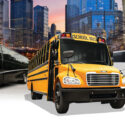
Defining Bus Terminology

Defining Bus Terminology

At American Bus Sales, we know navigating the world of bus terms can be a difficult task. That’s why we’re here to help! With our helpful guide to defining bus terminology, you can quickly and easily understand some of the most common industry terms.

Whether you’re an experienced bus buyer or just starting out, this guide will give you the edge when it comes to understanding bus terminology. From ‘Bus Type’ to ‘Wheelbase,’ you’ll be equipped with all the knowledge and terminology you need for a successful purchase.

Chassis:

The chassis is the framework or structure on which the bus is built. It is the base or foundation of the vehicle, providing support and strength. The chassis includes the frame, suspension, wheels, and other components necessary for the bus’s operation.

Body:

The body refers to the part of the bus that is built on top of the chassis. It encompasses the exterior shell, interior layout, seating, and other passenger accommodations. The body can vary in design depending on the type of bus, such as a school bus, coach, or city transit bus.

Wheelbase:

The wheelbase refers to the distance between the centers of the front and rear wheels of the bus. It plays a crucial role in determining the bus’s stability, maneuverability, and turning radius. A longer wheelbase provides more stability and a smoother ride, while a shorter wheelbase allows for better maneuverability in tight spaces.

Capacity:

The capacity of a bus refers to the maximum number of passengers it can accommodate. The seating arrangement and any standing room available typically determine it. Bus capacity can vary widely depending on the type and size of the bus, ranging from a few dozen to over a hundred passengers.

Transit Bus:

A transit bus is a type of bus primarily used for public transportation within a given area or city. It operates on fixed routes and typically has multiple entry and exit doors to facilitate passenger flow. Transit buses are designed for urban environments, with features such as low floors for easy boarding and wheelchair accessibility.

Coach Bus:

A coach bus is designed for long-distance travel between cities or regions. It provides more comfortable seating and amenities, such as onboard restrooms, storage compartments, and entertainment systems. Coach buses focus on passenger comfort during extended journeys.

Shuttle Bus:

A shuttle bus is smaller than a transit bus and typically does not have multiple doors. While it shares some traits with transit buses, they differ significantly because of their focus on shorter trips between two points, such as a hotel and the airport.

School Bus:

A school bus is specifically designed for the transportation of students to and from educational institutions. It prioritizes safety, with features like flashing lights, stop signs, and safety restraints for passengers. School buses also adhere to specific regulations regarding color, markings, and signage.

HVAC:

HVAC stands for Heating, Ventilation, and Air Conditioning. It refers to the system installed in a bus to provide comfortable temperature control for passengers. The HVAC system heats or cools the interior of the bus, ensuring a pleasant environment regardless of the outside weather conditions.

CCTV:

CCTV stands for Closed-Circuit Television. It refers to the use of video cameras and recording devices to monitor and enhance security on buses. CCTV systems can help prevent criminal activity, monitor passenger behavior, and provide evidence in case of incidents or disputes.

ADA Compliance:

ADA stands for the Americans with Disabilities Act, which ensures equal access and rights for individuals with disabilities. ADA compliance in buses means that the vehicles are designed and equipped to accommodate passengers with disabilities. This includes features such as wheelchair ramps, securement systems, and priority seating.

Preventive Maintenance:

Preventive maintenance refers to regular inspections, servicing, and upkeep of buses to prevent breakdowns and ensure their optimal functioning. It includes tasks like oil changes, fluid checks, tire rotations, and other routine maintenance procedures. Preventive maintenance helps identify potential issues early on, saving both time and money by avoiding major repairs.

OEM (Original Equipment Manufacturer):

OEM refers to the original manufacturer of a bus or its components. OEM parts are those produced by the same manufacturer and are often considered the most reliable and compatible for repairs or replacements. Using OEM parts helps maintain the integrity and quality of the bus.

Overhaul:

An overhaul refers to the process of extensive repairs or refurbishment of a bus. It involves taking the bus apart, inspecting and replacing worn-out components, and restoring it to a like-new condition. Overhauls are often performed at specific intervals to extend the bus’s lifespan and maintain its performance.

Fuel Efficiency:

Fuel efficiency refers to the amount of fuel consumed by the bus to travel a certain distance. Buses with higher fuel efficiency consume less fuel, reducing operating costs and minimizing environmental impact. Factors such as engine design, weight, aerodynamics, and maintenance practices contribute to fuel efficiency.

Hybrid/Electric Bus:

Hybrid buses use a combination of an internal combustion engine and an electric motor to propel the vehicle. This hybrid system reduces fuel consumption and emissions compared to conventional buses. On the other hand, electric buses run solely on electric power, resulting in zero emissions and lower operating costs.

Telematics:

Telematics involves the use of technology to monitor and gather data about a vehicle’s performance and operation. In the context of buses, telematics systems can track factors such as speed, location, fuel consumption, maintenance needs, and driver behavior. This data helps optimize operations, improve efficiency, and ensure safety and compliance.

Understanding these standard industry terms related to buses is essential in effectively communicating within the transportation sector. Whether you are involved in bus operations or simply curious about the terminology, having a basic knowledge of these terms will enhance your understanding and appreciation of the bus industry.

At American Bus Sales, we’re always here to help you find the perfect bus for your needs. Whether you need a fuel-efficient option or something with a higher passenger and seating capacity, our experienced sales team is ready to answer any questions you have about the terminology and features associated with each of our buses. Contact us today, and let us help you find the perfect bus! 1-866-574-9970

Contact Us

Contact Us
Hours: Mon-Fri 7:30AM-4:30PM
Website: https://americanbussales.net/
Phone: 1-866-574-9970
Address: 12802 North 103rd E Ave, Collinsville, OK 74012

Bus Technology Is Improving Rider Experience And Road Efficiency

Bus Technology Is Improving Rider Experience And Road Efficiency

Bus technology has come a long way since the first motorized bus design was built in 1895 in Germany. From the humble beginnings of rudimentary gasoline engines powering rear- and front-wheel drive bus models, today’s bus technology consists of comprehensive systems to improve the rider experience and road efficiency. Modern buses use a mix of innovative technology, from electric power sources and automated driving control to advanced safety systems and real-time connectivity.

Siginificant Advances

One of the most significant advances is in the use of electric power sources. Hybrid and fully electric buses have emerged as a green and cost-effective alternative to conventional gas-guzzling diesel buses. Electric buses are particularly suited to urban environments where air quality and noise reduction are essential considerations. Such buses also save money in terms of operating costs since they need no gas or oil changes. Instead, they require only battery charging or replacement, which can be done relatively cheaply depending on the size of the battery pack. However, electric power sources come with some significant challenges, from overcoming range limitations to the need for robust charging infrastructure to keep the bus fleet running efficiently.

A Critical Aspect

Another critical aspect of bus technology is automated driving control. Self-driving bus technology is still in its early stages, but it has recently been deployed in a few places around the world. For example, in Helsinki, Finland, a driverless shuttle fleet provides last-mile connectivity for commuters in residential zones. Fully self-driving buses are anticipated to offer enormous benefits in the near future for public transportation by enhancing rider safety and reducing driver fatigue. In addition, technology such as blind-spot sensors, adaptive cruise control, and lane-keeping assist systems are also making their way into the bus sector, improving safety, and trimming costs.

Fuel Consumption

Efficient fuel consumption is another significant contribution of modern bus technology that directly impacts the economy and environment. Buses equipped with diesel engines have always been notorious for high fuel consumption and carbon emissions. However, modern buses use combustion engines equipped with after-treatment systems to reduce greenhouse gases, nitrogen oxide, and particulate matter emissions. Smartly designed aerodynamic features like smooth rooflines, streamlined lights, and wing mirrors also boost efficiency, reducing air drag and wind resistance. In addition, buses are now designed with reduced weight to achieve better fuel consumption performance. Overall, by reducing the weight of materials used to make buses and engines, lighter configurations lead to higher fuel economy, thus, increasing cost savings.

Safety Features

Safety features are another area in which bus technology has made significant strides. These may include blind spot warnings, collision avoidance, driver assist, and brake monitoring systems, among others. The technology does not replace adequate training for drivers; instead, it provides them with an additional safety net for managing the bus’s freedom. For example, smart cameras fitted around the bus and mirrors offer drivers real-time visibility of blind spots. In addition, advanced systems using hydraulics or air brake systems enable the bus to stabilize in the event of a brake failure, collision, or rollover.

The advances in bus technology have made a tremendous difference in providing accessible transportation to those with disabilities. Buses are now equipped with wheelchair lifts and ramps, as well as automated announcements that provide audio information on bus stops and routes. They also come with low-floor designs, which make it easier for people who use wheelchairs or other mobility aids to board and disembark the bus. In addition, bus drivers receive specialized training on how to safely operate these features, making sure that passengers are able to access all areas of the vehicle. This includes special seating accommodations for those with physical impairments, hearing impairments, vision impairments, or cognitive impairments. All of these advances in bus technology have made public transportation a more accessible option for those with disabilities. They allow individuals to enjoy the same level of convenience and mobility as non-disabled passengers. As technological advancements continue, so will the capabilities of buses in providing accessibility to all riders.

Passenger Communication

Finally, bus technology also extends to real-time passenger communication and overall connectivity. Some manufacturers are developing advanced onboard digital infotainment platforms to increase passenger comfort, entertainment, and convenience. They allow onboard entertainment systems, continuous internet connectivity, and even smartphone charging points to be seamlessly integrated, offering passengers a more enjoyable and connected experience when riding the bus. Such connectivity features not only make the commute more enjoyable but can also provide platform planners the ability to track bus movements using GPS and load passengers onto areas that are underserved at certain times of the day. It also offers valuable feedback and analytics for bus service providers to redesign existing routes and for counties to consider future budget allocations.

Bus technology has progressed significantly in the world over the last century, from the conventional diesel combustion engine of the past to innovative, environmentally friendly electric-powered systems of the future. Automated driving systems improve safety and reduce costs, while real-time connectivity keeps passengers entertained and guides planning decisions. With advances in automated driving technology, connected systems, accessibility, and electric or hybrid power uptake, it is an exciting period in bus technology development that promises to deliver more convenient, cleaner, safer, and more enjoyable commutes for millions of people worldwide.

Partnering with American Bus Sales

At American Bus Sales, we are dedicated to providing quality new and used buses that meet the needs of our customers. We have a wide selection of buses from a variety of brands, including Ford, Chevrolet, International, Freightliner, and more. Our experienced staff can help you find the right bus for your individual requirements. With over 19 years in business, we know what it takes to get you the perfect bus for your particular needs. Whether you need an activity bus for field trips or a shuttle bus for corporate transportation, our team is here to help you make the best decision possible. We take pride in offering top-notch customer service and will work hard to ensure you have the perfect vehicle at a great price. So contact us today, and let us show you why American Bus Sales is the best choice for all your bus needs. Give us a call today to kickstart your next purchase for your fleet!

Contact Us

Contact Us
Hours: Mon-Fri 7:30AM-4:30PM
Website: https://americanbussales.net/
Phone: 1-866-574-9970
Address: 12802 North 103rd E Ave, Collinsville, OK 74012

Behind the Scenes: How Buses are Manufactured from Start to Finish

Behind the Scenes: How Buses are Manufactured from Start to Finish

Bus manufacturing is a fascinating and intricate process that requires careful attention to detail at every stage, starting from the initial design phase all the way through to production, assembly, quality control, and delivery. Let’s dive into the behind-the-scenes world of bus manufacturing and explore the step-by-step journey that a bus takes from concept to completion.

1. Design and Engineering:

The first stage in the bus manufacturing process is the design and engineering phase. Bus manufacturers work closely with their clients to understand their specific requirements and develop a bus design that meets their needs. This stage involves creating 3D models, conducting virtual simulations, and finalizing the bus design, including its dimensions, features, and materials.

2. Material Procurement:

After the bus design has been thoroughly reviewed and finalized, the next crucial step in the manufacturing process is the procurement of all the necessary materials. This entails carefully sourcing a wide array of components from various suppliers to ensure that the bus is constructed with high-quality materials. One of the primary materials required for bus manufacturing is steel sheets, which are used in the fabrication of the bus frame, chassis, and other structural components. These steel sheets need to meet specific standards and requirements, such as strength, durability, and corrosion resistance, to ensure the safety and longevity of the bus.

In addition to steel sheets, aluminum sheets are commonly used in bus manufacturing. Aluminum is known for its lightweight yet sturdy properties, making it an ideal material for constructing bus bodies, panels, and other interior and exterior components. These aluminum sheets need to be sourced from reliable suppliers who can provide the right alloy composition and thickness required for the bus design.

This material procurement process can also include procuring plastic parts, electrical wiring, glass, and other materials, depending on the design of the bus.

3. Body Manufacturing:

The body of the bus is typically manufactured separately from the chassis. The bus body is usually made of the procured steel or aluminum sheets that are cut, bent, and welded together to create the bus’s structural framework. The body also includes various openings for doors, windows, and ventilation.

4. Chassis Manufacturing:

The chassis forms the base structure of the bus and supports the weight of the entire vehicle. The chassis is typically made of steel and is manufactured separately from the bus body. It is produced using specialized machinery that cuts, shapes, and welds steel beams and other components to create the chassis framework. The chassis also includes various mechanical and electrical components, such as the engine, transmission, suspension, brakes, fuel tanks, and electrical wiring.

5. Painting and Coating:

After the body and chassis are manufactured, they are usually painted and coated for protection and aesthetics. This involves multiple steps, including surface preparation, priming, painting, and clear coating. The paint and coating used are usually chosen based on the bus’s specifications and customer or school district requirements.

6. Interior and Exterior Assembly:

Once the body and chassis are painted and coated, the interior and exterior assembly process begins. This involves installing various components such as the seats, flooring, windows, doors, lighting, electrical wiring, and other interior and exterior features. This stage requires careful precision and attention to detail to ensure that all components are installed correctly and function properly.

7. Testing and Quality Control:

After the bus is assembled, it undergoes extensive testing and quality control checks to ensure that it meets safety and performance standards. This includes checking all mechanical, electrical, and safety systems, as well as conducting road tests to evaluate the bus’s performance, handling, and comfort.

8. Final Inspection and Finishing:

Once the bus passes all the quality control checks, it undergoes a final inspection for any defects or issues. Any necessary repairs or adjustments are made, and the bus is thoroughly cleaned and polished to give it a finished appearance.

9. Delivery:

After the final inspection and finishing, the bus is ready for delivery to the customer. It is typically transported to the customer’s location using specialized trailers or carriers. The customer usually takes delivery of the bus, but it may undergo additional customization, such as adding branding, before putting it into service.

As you can see, bus manufacturing is a multi-stage process that is highly involved and carefully designed to create a safe and quality product to put on the road. Each stage of this process requires specialized skills, equipment, and quality control measures to ensure that the final product meets the customer’s requirements and industry standards.

Working With American Bus Sales

Investing in high-quality school buses, coach buses, shuttle buses, or vans can offer a myriad of benefits for your business or organization. These vehicles are not only durable and reliable, but they also prioritize safety and comfort, making them the ideal choice for students, staff, and customers. Additionally, choosing to invest in top-notch equipment reflects a commitment to providing excellent education and/or a safe and welcoming environment for passengers. At American Bus Sales, we offer a very wide selection of new and used school buses, catering to various budgets without compromising on value. With our expertise and friendly service, you can invest with confidence, knowing that you will enjoy a quality vehicle with long-term returns. Our team is able to source any bus, shuttle, or van you may need; give us a call today to kickstart your next purchase for your fleet!

Contact Us

Contact Us
Hours: Mon-Fri 7:30AM-4:30PM
Website: https://americanbussales.net/
Phone: 1-866-574-9970
Address: 12802 North 103rd E Ave, Collinsville, OK 74012

The History of the School Bus

The History of the School Bus

School buses are an iconic image in many of our minds, from kindergarten through high school and beyond. Whether it is the bright yellow paint or a faint foggy memory of sitting in the back seat on your way to school, the idea of a school bus has been deeply embedded into our culture over time. But have you ever stopped and wondered where this tradition actually comes from? Let’s take a journey into its history and uncover the roots of one of modern education’s oldest modes of student transportation: The School Bus!

1. School Buses Have Come a Long Way Since Their Inception in the Early 1900s

School buses have evolved a great deal since their introduction at the turn of the 20th century. The school bus as we know it today is largely credited to Wayne Works, with their horse-drawn school car in 1892. This design was improved upon with the development of the engine and the first motorized school bus was created by Albert Luce Sr. in 1925. The school bus pioneered by Luce featured the first air-cooled, gasoline engines with an electric starter and provided safer transportation for children to school, revolutionizing school transport across the continent. Not only did school bus technology advance thanks to Luce’s invention, but it also led the way for all sorts of road transportation advancements over the years. After more than a century of improvements, modern school buses offer enhanced safety features like reinforced steel construction and electronically monitored brake systems that are fundamental to making sure school children get to school safely every day.

2. Early Buses Were Many Different Color, But Quickly Were Painted Yellow to Make Them More Visible on the Road

The school bus is an iconic symbol of school and childhood, but it was not always painted its infamous yellow color. The first school buses were painted plain colors like green that blended into the landscape and were not easily visible from a distance. It was not until 1939 when school officials decided to paint school buses a bright, eye-catching hue of yellow that visibility improved drastically, allowing drivers to detect school buses more quickly on the road and pedestrians to identify them better. Dubbed “school bus yellow,” this distinct shade has since become synonymous with safety and security for students, who are now assured of quick recognition while they travel between school and home every day.

3. School Buses Are Now Equipped With Safety Features Like Seat Belts and Airbags

School buses are crucial for students to get to school safely and on time, especially in rural or suburban areas. As such, school districts now prioritize school bus safety more than ever before. To this end, school buses are equipped with a variety of safety features, including reinforced seat belts and air bags that provide added protection for riders. Additionally, advanced electronic systems have been installed to alert drivers of unseen traffic, the fastest and safest routes, and if any of these safety features stop working properly. This way school districts can ensure the safety of their students and reduce the chances of an accident occurring.

4. In Some States, School Buses Are Even Required to be Painted Yellow

The school bus is a well-known symbol of school life and its distinct yellow color has become associated with the start of autumn and the school year. In some states, school bus yellow is even required by law – this specific hue of yellow was chosen because it is so conspicuous and easy to see, even in poor visibility or low light. One study found that our lateral peripheral vision is able to detect yellow 1.24 times greater than even the color red. This safety measure helps drivers keep their distance from school buses and increases overall safety for students by helping school buses stand out even when amongst other vehicles on the roads.

5. Over the Years, School Buses Have Become an Iconic Part of American Culture

The school bus is an iconic representation of American culture, transporting millions of school children to school since the early 1900s. In urban and rural areas alike, school buses are an indelible part of daily life for many American childcare providers, parents, and school-aged children. Visually, school buses stand out bright yellow with a distinct shape that have become embedded into our subconscious as we immediately recognize and associate it with school time. Over the years, school buses have been embraced by motorists while they follow the rules of yielding to the bus when appropriate. All in all, school buses represent a crucial piece of societal infrastructure and are a beloved cultural symbol in America.

Working With American Bus Sales

Though their design may have changed since they were first conceived over 100 years ago, their purpose remains the same: to get students to and from school safely. Investing in quality school buses provides many benefits that may not be evident at first glance. Not only do these vehicles have longevity, but they also ensure greater safety and comfort making them the most ideal choice for students and staff alike. Furthermore, opting to invest in quality equipment reveals ones commitment towards providing excellent education – a great message to send out within your community! American Bus Sales offers an exceptional selection when it comes time to choosing a new or used school bus– perfect for any budget yet offering no compromise on value. Invest wisely and with confidence knowing you are getting the best of both worlds: long-term investment potential combined with improved standards. Give our team of friendly experts a call today to get started on your next school bus purchase!

Contact Us

Contact Us
Hours: Mon-Fri 7:30AM-4:30PM
Website: https://americanbussales.net/
Phone: 1-866-574-9970
Address: 12802 North 103rd E Ave, Collinsville, OK 74012

FAQ’s About Buying A Used Coach Bus

Used Coach Buses

Are you considering buying a used coach bus for personal use or for your business? You are in luck! Buying a used coach bus can be an affordable way to get the mass transportation capabilities you need at an affordable price. However, there are some important things to keep in mind when navigating through the process of selecting and purchasing a used coach bus. Here are some of our most frequently asked questions along with our answers about buying a used coach bus:

Here is some important information about used coach buses:

1. What Are The Benefits of Buying a Used Coach Bus Over a New One?

When purchasing a coach bus, buying used can offer several advantages when compared to buying new. Used coach bus purchases will generally be significantly less expensive than the cost of a new coach bus, potentially saving you thousands of dollars. In addition, due to the depreciated value of used coach buses, you may be able to get an upgraded coach bus within your price range that would not have been available if you were choosing only from new coaches. Furthermore, by opting for a used coach bus, you will often be able to acquire a better warranty package or an extended service agreement than what would typically offered with new coach buses. When considering your options for acquiring a coach bus, research the benefits of both buying new and used and select the option that gives you the features and services you desire at a price point that works best for your budget.

2. How Do I Know If a Used Coach Bus is in Good Condition and is Worth The Purchase Price?

Purchasing a used coach bus can be daunting, as you want to ensure you are getting a good deal on a quality vehicle. When looking at coach buses, the first things to look at are the condition of the vehicle and its components, such as the engine and brakes. You will also want to make sure that all seats are in property working order, and that there is no evidence of rust or other water damage. Taking a qualified professional with you on your search can help ensure that everything is in proper working condition. Additionally, doing your research on coach bus prices will help confirm whether or not the asking price is fair; searching online marketplaces or classifieds can give you a better idea of what people typically pay for coach buses in similar conditions. Comparing coach buses from multiple sellers will also give you a better understanding of the pricing landscape.

3. How Do I Negotiate the Best Price on a Used Coach Bus That I Am Interested in Buying?

Buying a coach bus is an exciting experience and it can be even better if you are able to negotiate a great price. Researching the coach bus you are interested in buying, as well as getting pre-approved for financing, will both give you greater confidence when it comes to negotiating. When you meet with the coach bus seller, come prepared with the market value of the coach bus; this will give you leverage in your negotiations.

Ultimately, finding common ground between what the seller is asking and what you believe is fair, while also keeping your budget in mind, should help you reach a mutually beneficial agreement on price.

4. Once I Have Bought a Used Coach Bus, What Kind of Maintenance and Upkeep Should I Expect to Do on it Regularly?

Owning a coach bus is a big responsibility and it will require regular maintenance to keep it running smoothly. You may want to check the engine oil, brake pads, and tire pressure on a routine basis. Additionally, you should always look out for any rust forming on the coach bus’s body and be sure to treat it right away with rust inhibitor. Furthermore, keep the coach bus clean by vacuuming the carpets, scrubbing the windows and regularly steam cleaning any upholstery inside of it. The coach bus’s exterior should be waxed once every six months to avoid cracking due to weather conditions. Taking preventative measures like these will ensure that your coach bus remains functional and in tip-top shape for years to come!

5. How Do I Know If A Used Coach Bus Is Right For Me?

When it comes to coach buses, the key is to weigh your needs. Are you looking for a bus that can take your large family on a cross country trip, or do you need something with more horsepower for commercial use? Has the coach in question been well maintained, or is it showing signs of significant wear and tear? Once you have answered these questions, you will be better able to tell if a coach bus is the right fit for your needs or if another option might suit you better. Another factor to keep in mind is cost—after all, buying a coach bus involves an initial investment, so make sure the final price is within your budget. Doing your research and shopping around carefully should help narrow down your choices and help guide you toward finding the coach bus that is just right for you

Working with American Bus Sales

Finding the right bus for your specific needs does not have to be a confusing process. At American Bus Sales, our team of friendly experts is here to help you make an informed decision that best suits your transportation requirements. We offer a great selection of both luxury and high-tech models in various sizes – so stop by or give us a call today! Our knowledgeable staff will guide you every step of the way towards finding just what you need at an unbeatable price.

Contact Us

Contact Us
Hours: Mon-Fri 7:30AM-4:30PM
Website: https://americanbussales.net/
Phone: 1-866-574-9970
Address: 12802 North 103rd E Ave, Collinsville, OK 74012

Tech Trends that are Transforming School Buses

5 Tech Trends that are Transforming School Buses

School buses have come a long way since their inception. They have been transformed from being simple vehicles that transport students to and from school to high-tech machines that are equipped with all the latest technology. Here are five of the most important tech trends that are changing the way school buses operate.

Here is some important information about school buses:

1. Introducing WiFi on School Buses so Students can Complete Homework or Research During Their Commute

For many students, the school bus is an important part of their daily routine. It is a chance to catch up on sleep, chat with friends, or listen to music. However, the school bus can also be a great place to get some work done. With the introduction of WiFi on school buses, students can now use their commute to complete homework or do research. This is especially helpful for students who have long commutes, who live in rural areas, or who do not have WiFi access at home. In addition, WiFi on school buses can help to reduce behavior problems. When students are occupied with work, they are less likely to act out. As a result, WiFi on school buses can be a benefit for both students and educators.

2. Adding GPS Tracking to School Buses so Parents can Know Exactly When Their Child will Arrive Home

For many parents, school bus arrival times can be a source of anxiety and stress: “Will the bus be on time?” “Will my child be safe?” GPS tracking can help to ease those worries by providing real-time updates on school bus locations. With GPS tracking, parents can know exactly when their child’s bus will arrive, giving them peace of mind. In addition, GPS tracking can also help school districts to improve route planning and ensure that buses are running on time. As a result, GPS tracking is a win-win for parents and school districts alike.

3. Installing Security Cameras on School Buses to Deter Violence and Bullying

Every school day, millions of children board school buses to get to and from school. For many kids, the bus ride is an opportunity to catch up with friends, get work done, or play games. However, for some children, the bus ride is a source of fear and anxiety. Unfortunately, school bus bullying is a serious problem that can have lasting effects on a child’s well-being. One way to deter this type of bullying is to install security cameras on school buses. Cameras serve as a reminder that bad behavior will not be tolerated, and they can also be used to identify bullies and hold them accountable for their actions. In addition, the presence of cameras would make it easier for victims to speak up, knowing that they will be believed and supported. The addition of cameras to modern school buses can help to make school buses safe and welcoming spaces for all students.

4. Encouraging the Use of Apps and Digital Resources to Help Plan Routes and Track Bus Schedules

For school bus drivers, it is important to be familiar with the routes in their area. Driving the same route every day can help them to become familiar with the streets and landmarks. However, there may be times when they need to deviate from their usual route. This is where apps and digital resources come in handy. There are a variety of apps that can help them to plan routes and track bus schedules. One useful app is My School Bus, which helps users to track school bus routes and schedules. In addition, the simple use of a GPS can allow bus drivers to find the shortest routes and have access to real-time updates on bus arrival times. By using these apps, bus drivers can easily plan alternate routes and keep track of school bus schedules. As a result, they will be better prepared to provide safe and efficient transportation for your passengers.

5. Promoting the Use of Electric School Buses to Reduce Emissions and Save Money on Fuel Costs

School buses are a vital part of the educational system, transporting millions of students to and from school every day. However, school buses also have a significant impact on the environment. In fact, school bus fleets are responsible for emitting millions of tons of greenhouse gases each year. One way to reduce these emissions is by promoting the use of electric school buses. Electric school buses are powered by batteries, rather than fossil fuels, and produce zero emissions. In addition, electric school buses are more efficient than traditional school buses, resulting in lower fuel costs. As the cost of battery technology continues to decrease, electric school buses are becoming increasingly affordable for school districts and, in addition to being better for the environment, electric school buses can also save money on fuel costs in the long run.

Working with American Bus Sales

We at American Bus Sales are dedicated to providing the best experience possible for our customers. From models with luxury features to those equipped with the latest technology, we have a bus that will fit your needs. If you are not sure which model is right for you, our team of experts is ready and waiting to help. Give us a call today and see how easy it is to find the perfect bus for your next adventure.

Contact Us

Contact Us
Hours: Mon-Fri 7:30AM-4:30PM
Website: https://americanbussales.net/
Phone: 1-866-574-9970
Address: 12802 North 103rd E Ave, Collinsville, OK 74012

Tips For Successfully Outfitting Your New Bus

5 Tips For Successfully Outfitting Your New School Bus

If you are in charge of outfitting a new school bus, you may be wondering where to start. There are a lot of factors to consider, from budget to materials to storage space, and the process can quickly become overwhelming. In this post, we will give you 5 tips for successfully outfitting your new bus Keep reading for insight into what matters most when equipping your next school bus!

Here is some important information about school buses:

1. Plan ahead

When it comes to outfitting a school bus, it pays to plan ahead. After all, there are a lot of important considerations to take into account, from your budget to the type of bus to the layout of the seats. By thinking carefully about these factors in advance, you can save yourself a lot of time and effort down the line. For example, if you know that you’ll be transporting a large number of students on a regular basis, you will need to make sure that you choose a bus with enough seating capacity. If you’ll be carrying students with special needs, you will need to make sure that the bus is equipped with the appropriate safety features. So whatever your requirements may be, it is important to take the time to plan ahead before outfitting your school bus.

2. Choose durable materials

School buses are not what most people think of when they think of school supplies, but they are one of the most important ones. They provide a means of transportation for students to get to and from school. But with the harsh treatment that school buses take, it is important to make sure they’re outfitted with durable materials. Buses are constantly exposed to weather conditions that can cause wear and tear, not to mention the beating the kiddos put on them. So it is important to choose materials that can withstand those conditions. Some factors to consider when choosing materials for school buses include: UV protection, heat resistance, and flexibility. By choosing durable materials for school buses, you can help prolong their lifespan and keep them working properly for longer.

3. Get creative with storage solutions

If you are looking for creative storage solutions for your school bus, you have come to the right place. Even though school buses are smaller than some other types of buses, there are still a few ways to maximize storage space.

One way to create more storage space on your bus is by utilizing overhead compartments. These compartments are great for storing students’ belongings that they may need during the day. If you don’t have any overhead compartments on your bus, you can install some shelves or hooks along the walls to create similar storage space.

Another way to add storage space to your school bus is by using the space under the seats. This area is often overlooked, but it can be very useful for storing larger items that students may need during the day, such as sports equipment or backpacks. If you are not sure how to best utilize this space, consider installing some removable bins or baskets that can be easily accessed by students.

Finally, don’t forget about the space behind the seats. This area can be used for storing items such as backpacks, snacks, and even jackets or coats. With a little bit of creativity, you can easily outfit your school bus with ample storage solutions for all of your student’s belongings.

4. Stay organized

When school bus shopping, it is important to stay organized. Make a list of your must-haves and differentiate those from your wants. This will help you stay on track and prevent you from overspending. Once you have your list, research different school buses to find the one that best suits your needs. When narrowing down your choices, compare features, prices, and reviews. You can even call a dealer and ask questions! By taking the time to do your research and staying organized, you can be sure to find the perfect school bus for your needs.

5. Have fun with it!

School bus shopping doesn’t have to be a stressful process. In fact, it can be quite enjoyable if you approach it with the right attitude. Try your best to keep a positive mindset and enjoy the little things along the way! Have you found any makes or models you like? Once you’ve found a few options, take the time to test drive each one. This will give you a better idea of which school bus is the best fit for your needs. Getting behind the wheel will also provide you with some enjoyment throughout the process.

Working with American Bus Sales

Shopping for your next vehicle does not have to be scary, and you should never have to feel afraid to ask questions. Here at American Bus Sales, our goal is to partner with you to help you find the bus that meets your needs as we build a relationship that lasts long after the purchase decision. If you’re not sure about something, ask one of our salespeople and we promise to do our best to steer you in the right direction. Give us a call today and our friendly team of experts will be there to answer any questions you may have.

Contact Us

Contact Us
Hours: Mon-Fri 7:30AM-4:30PM
Website: https://americanbussales.net/
Phone: 1-866-574-9970
Address: 12802 North 103rd E Ave, Collinsville, OK 74012

The Benefits of a Coach Bus

The Benefits Of A Coach Bus

Coach buses are essential for large groups who travel, especially those who travel often. Whether you have a church group making an annual trip to a camp, a group of employees heading to a retreat, or a sports team making frequent trips to games far from home, the coach bus is one of the best forms of transportation for a long trip. While coach buses are not as widely used as school buses or some other vehicles, we are here to tell you why they should be one of the first modes of transportation that you consider; coach buses offer a number of advantages over other modes of transportation. So, if you’re looking for a comfortable, convenient, and affordable way to travel with a group, a coach bus is the ideal choice. Don’t just take our word for it; here are a few concrete reasons why:

Here is some important information about coach buses:

Coach buses are spacious and comfortable – perfect for long road trips

A coach bus is the perfect vehicle for a long road trip. They are extremely spacious and comfortable, with plenty of room to stretch out your legs and relax. The seats are usually able to recline, and there is often a TV or other entertainment system on board to help pass the time, but we will get to that later. If you’re traveling with a group, a coach bus is a great way to keep everyone together while still offering plenty of space so your group of kids or team of employees, or athletes can arrive at their destination refreshed and ready to tackle the day. So if you’re planning a road trip, be sure to consider a coach bus for your transportation needs.

They have large windows that provide great views of the scenery

The windows on a coach bus are large and provide great views of the scenery. The windows are placed high up on the bus so that passengers can see out over the top of other vehicles. This is especially helpful when traveling through mountainous areas or along coastal routes so they can catch all of the breathtaking views. The windows also let in a lot of natural light, making the interior of the bus feel bright and airy. In addition, the windows can often be opened to circulate fresh air throughout the cabin. This is a great feature on long trips or in hot weather. Overall, the large windows are one of the reasons so many passengers love to travel on a coach bus.

Coach buses are usually equipped with all the amenities you need, including bathrooms, Wi-Fi, TVs and power outlets

When you book a coach bus for your next group trip, you can rest assured that everyone will be comfortable and entertained for the duration of the ride, however long it may be. Coach buses are equipped with all the amenities you need, including bathrooms, Wi-Fi, TVs, and power outlets. This means that you won’t have to make any stops for breaks, and you can all stay connected and powered up during the journey. You can even put the same movie on the TV for the whole bus so everyone can be participating in the same activity. In addition, coach buses offer a more relaxed environment than other forms of transportation, so you can all sit back and enjoy the ride. Whether you are planning a long getaway or a business trip, a coach bus is a perfect way to travel.

They’re a great way to meet new people and make friends

A coach bus is also a great way for your travelers to meet new people and make friends. The passengers on a coach bus are typically seated in pairs or small groups, so it is easy to strike up a conversation with someone new. And since they are likely to be spending several hours on the bus, they will have plenty of time to get to know their fellow passengers. They might even find that they have some things in common with them. So if you’re looking for a new way to help your team bond, meet people and make friends, taking a coach bus is definitely worth considering.

There’s plenty of storage space for passengers’ luggage

When traveling by coach bus, many people often wonder how much space there will be for luggage. The answer is plenty! Most coach buses have large storage compartments located underneath the seats. These compartments are typically big enough to store a few small suitcases or duffel bags. In addition, many coach buses also have overhead storage bins which can be used to store larger items such as backpacks or golf clubs. So whether your team is traveling with just a few items or a whole bunch of gear, you can rest assured that there’s plenty of space on the coach bus for their luggage.

Working with American Bus Sales

If you’re looking to purchase or rent a bus from an affordable and reliable company, American Bus Sales is your go-to option. With 18 years of experience in the industry, we offer a wide variety of buses to choose from, including school buses, shuttle buses, vans, and coach buses. Our team of experienced professionals can help you find the right bus for your needs and answer any questions you may have. In addition, American Bus Sales offers financing options and provides delivery services to anywhere in the continental United States. So if you’re in the market for a new bus, give us a call today and our friendly team of experts will help you with whatever you need.

Contact Us

Contact Us
Hours: Mon-Fri 7:30AM-4:30PM
Website: https://americanbussales.net/
Phone: 1-866-574-9970
Address: 12802 North 103rd E Ave, Collinsville, OK 74012

7 Questions to Ask When Buying a Used Bus

7 Questions to Ask When Buying a Used Bus

When it comes to used buses, there are a few key factors to keep in mind in order to make sure you’re getting the best deal possible on a quality bus. Below are seven important questions to ask when you are considering purchasing a used bus:

Here is some important information about buying a used bus:

1. What is the Bus’s Purpose?

Many people who are looking for a used bus don’t know where to start. One of the first things they should consider is what their bus will be used for since buses are not one-size-fits-all. School buses transport students to and from school, while coach buses are often used for long-distance travel. Shuttle buses provide transportation for passengers between different locations, such as an airport and a hotel. In some cases, buses may also be used for tour groups or to transport large items that would not fit in a standard car. Before buying your bus, keep in mind what it will be used for and make sure the options you consider suit your needs.

2. What is the Bus’s Make and Model?

There are many different makes and models of buses, and each has its own set of features and benefits. Once you’ve narrowed down your choices, you can begin to compare prices and find the make and model that are right for you. With so many factors to consider, it’s important to do your research before making a decision, but with a little bit of effort, you’ll be able to find the perfect used bus for your needs.

3. How Many Miles are on the Bus?

The number of miles on a used bus can vary greatly, depending on the age and purpose of the bus. To find how many miles are on the bus, make sure to check the odometer. If the odometer is still working, it should give a fairly accurate reading of how many miles the bus has been driven. If the odometer is not working, look for wear and tear on the bus. Things like worn tires, faded paint and dents can all be indicative of age and higher mileage.

4. How Old is the Bus?

In some cases, it can be difficult to determine the age of a used bus. However, there are a few key things to look for that can give you a general idea of how old the bus is. One step to take is to check the mileage. If the bus has high mileage, it is likely that it is older. Second, take a look at the condition of the exterior and interior. If the bus is in good condition and shows no signs of rusting, it is probably newer. However, some older buses have been kept in great shape as well. In order to truly know the age of the bus, check the registration and VIN number as the VIN number can tell you the year the bus was manufactured.

5. What Kind of Engine Does the Bus Have?

There are three main types of engines used in buses: gasoline, diesel, and hybrid. Gasoline engines are the most common type used in passenger buses. They are typically less expensive to operate and maintain than diesel engines, but they produce more emissions. Diesel engines are more common in commercial buses, such as school buses and city buses. They are more fuel-efficient than gasoline engines and produce fewer emissions, but they can be more expensive to maintain. Hybrid engines have a newer technology that combines the best features of both gasoline and diesel engines. They are more fuel-efficient than either type of engine alone and produce fewer emissions, making them a good choice for those who want to reduce their impact on the environment.

6. Is the Bus ADA Compliant? (If applicable)

– If yes, what features does it have to accommodate passengers with disabilities?

Many used buses are ADA compliant, meaning they have features to accommodate passengers with disabilities. Some common features include wheelchair lifts, handrails, and braille signage. If you’re looking for an ADA-compliant bus, be sure to check for these features. Wheelchair lifts are essential for passengers who use wheelchairs or other mobility devices. Handrails can help passengers with limited mobility stay steady on their feet. And braille signage can help passengers navigate the bus who are blind or have low vision.

7. Does the Bus Come with a Warranty?

Finally, when considering the purchase of a used bus, it is important to find out if the bus comes with a warranty. If you are interested in purchasing a used bus with a warranty, be sure to ask the dealer about the terms of the warranty and what is covered. You should also make sure to obtain a copy of the warranty in writing so that you have it for your records.

American Bus Sales is proud to offer warranty options on all of our buses, both used and new. This way you can rest easy at night knowing that if your bus breaks down, our team of exceptional customer service professionals and expert technicians will get it back on the road free of charge.

Working With American Bus Sales

Going the extra mile for our customers is not just something we do, it is something we take pride in. We make an effort to connect with and partner with our customers from the get-go. You will have someone you can trust long after the purchasing process is over. The lasting partnerships that are formed and the good client relations that we prioritize are two reasons why many of our clients trust us to maintain, care for and restore their fleets well into the future.

These are just a few of the questions you may have when looking to buy your next used bus. While navigating the used bus market on your own can be challenging, working with American Bus Sales is easy and convenient. We have a wide variety of buses to choose from, and our knowledgeable staff can help you find the perfect one that fits your needs. We also offer financing options and competitive pricing, so you can get the best value for your money. Plus, we deliver nationwide, so you can get your hands on your bus no matter where you are. So if you’re looking for an easy, hassle-free way to buy a bus, look no further than American Bus Sales. You can call us at 1-866-574-9970. We’re here to help you every step of the way.

Contact Us

Contact Us
Hours: Mon-Fri 7:30AM-4:30PM
Website: https://americanbussales.net/
Phone: 1-866-574-9970
Address: 12802 North 103rd E Ave, Collinsville, OK 74012