
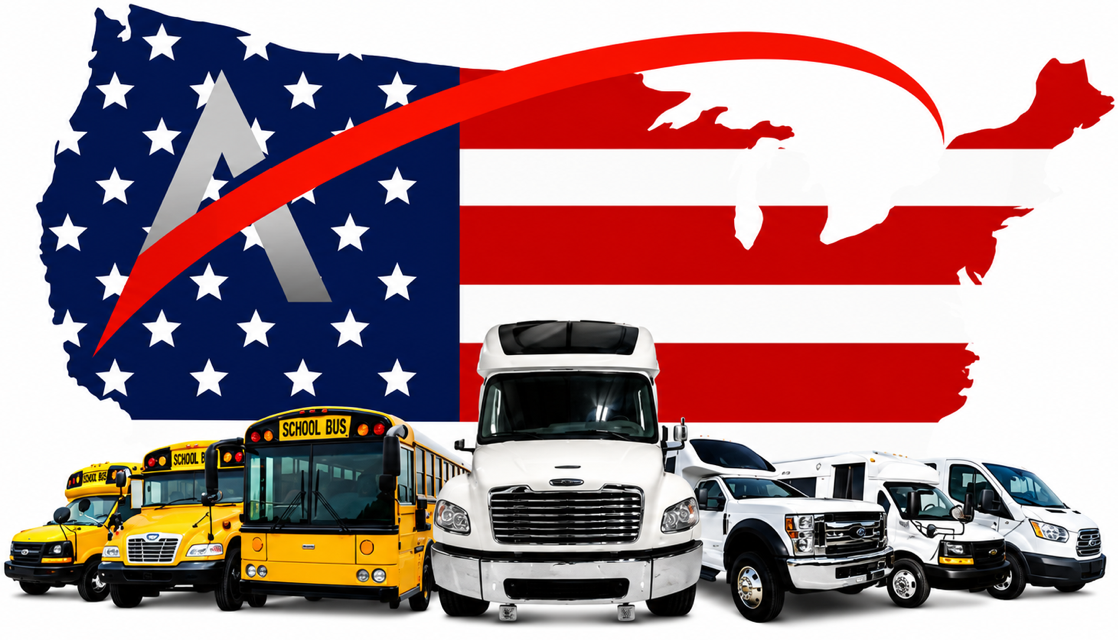
buses - American Bus Sales
Menu
Toll Free: 866.574.9970

Understanding the Different Types of Buses on the Market

Buses

When it comes to buying a bus, the options are vast and varied. From school transportation to charter services and everything in between, there is no one-size-fits-all solution. Each bus type serves a unique purpose and comes with its own set of features, advantages, and ideal uses. Whether you are a school administrator, church leader, transportation director, or business owner, understanding the different types of buses available will help you make an informed purchasing decision.

At American Bus Sales, we specialize in providing a wide selection of both new and used buses to clients across the country. We believe that finding the right bus begins with understanding what each type can offer. Let’s explore the main categories of buses on the market and what to consider before making your investment.

School Buses: Built for Safety and Durability

School buses are designed with one mission in mind: transporting students safely. These vehicles are built to meet stringent safety standards and are equipped with high-visibility coloring, reinforced frames, flashing lights, and stop arms. School buses come in several types, categorized by size and engine placement.

• Type A: These are the smallest school buses, built on a van chassis. They typically seat up to 30 passengers and are ideal for transporting students in smaller school districts, special education programs, or daycare centers.

• Type C: Also known as the “conventional” school bus, Type C is the most commonly recognized design. It features a hood and engine in the front and seats between 40 and 78 passengers.

• Type D: These buses have a flat front and are known as “transit-style” buses. The engine can be located in the front, rear, or middle. Type D buses offer a larger seating capacity and are frequently used in larger school districts.

Activity Buses: Flexible Options for Education and Athletics

Activity buses are similar in structure to school buses but are not restricted to transporting students to and from school. Instead, they are used for extracurricular activities such as field trips, athletic events, and after-school programs. They usually feature forward-facing seating, seat belts, and may include storage compartments for sports equipment or luggage.

Unlike traditional yellow school buses, activity buses can be painted and branded to reflect a school’s colors or mascot. Many districts and private institutions choose activity buses for their versatility and cost-efficiency.

Charter Buses: Comfort for Long-Distance Travel

Charter buses, also known as motorcoaches, are built for passenger comfort and are commonly used by tour companies, sports teams, corporate travel groups, and churches. These buses are designed for long-distance travel and often include amenities such as reclining seats, climate control, onboard restrooms, video monitors, and overhead or undercarriage storage.>

Charter buses typically seat between 40 and 60 passengers and are designed with comfort and convenience in mind. For organizations planning interstate travel or overnight trips, investing in a charter bus can be a practical and professional choice.

The securement system must meet strength and crash-resistance standards and be positioned to allow face-forward seating.

Shuttle Buses: Ideal for Short-Distance Routes

Shuttle buses are perfect for short, frequent trips and smaller groups. They are commonly seen in settings like airports, hotels, senior living communities, universities, and corporate campuses. Shuttle buses usually seat between 8 and 30 passengers and are built on van or cutaway chassis.

Many shuttle buses are ADA-compliant and include wheelchair lifts or ramps, making them a great option for inclusive transportation services. Their compact size allows for easier maneuverability, especially in urban or high-traffic environments.

Transit Buses: Designed for City Routes and Public Transport

Transit buses are a mainstay of urban public transportation systems. They are designed for efficiency, durability, and ease of access. These buses feature wide doors, low floors for easy boarding, and standing room for higher passenger volume. They are built to handle frequent stops and are often powered by diesel, electric, or compressed natural gas (CNG).

While transit buses are most commonly operated by city governments or regional transportation authorities, some private businesses and campuses use them for large-scale employee shuttling or event transport.

Church and Nonprofit Buses: Purpose-Built for Community Needs

Churches and nonprofit organizations have specific transportation needs that often involve group outings, mission trips, or weekly services. These organizations frequently opt for used school buses, shuttle buses, or small activity buses due to their affordability and reliability.

Customization is key in this category. Seating configurations, accessibility features, and exterior branding can all be tailored to match the needs of a particular ministry or outreach program. Reliability and safety are top priorities, especially when transporting youth groups or elderly members.

Luxury and Executive Buses: High-End Group Transportation

For corporations, entertainment companies, and VIP services, luxury and executive buses offer an upscale alternative. These buses are built with features like leather seating, wood flooring, Wi-Fi, workstations, and refreshment areas. They are commonly used for business roadshows, mobile offices, or entertainment tours.

Although these buses come with a higher price tag, they provide an elevated experience for high-profile clients or long-haul business travel. If image, comfort, and technology are key to your transportation goals, luxury buses are worth considering.

Key Factors to Consider When Choosing a Bus

Selecting the right type of bus involves more than just passenger capacity. It’s essential to evaluate your needs based on route length, frequency of use, average group size, terrain, accessibility requirements, and fuel preferences. Other considerations include:

• Budget: Will you buy new or used? Do you need financing options?

• Maintenance history: For used buses, this is a critical factor.

• Customization: Do you require branding, specific seat layouts, or additional storage?

• Compliance: Ensure the vehicle meets all local and federal transportation safety standards.

Working with a trusted provider like American Bus Sales can help you navigate these questions and find a vehicle that aligns with both your operational and financial needs.

Final Thoughts

From school routes to corporate shuttles, the bus market offers a solution for just about every transportation scenario. By understanding the different types of buses available, you can make a smarter, more informed purchase that delivers long-term value.

At American Bus Sales, we carry a wide inventory of new and used buses to meet the needs of schools, churches, businesses, and transportation providers nationwide. Our team is here to guide you through the buying process, answer your questions, and help you find the right bus for your specific needs.

Have questions or ready to browse? Contact us today at (866) 574-9970 and let American Bus Sales help you hit the road with confidence.

Contact Us
Hours: Mon-Fri 7:30AM-4:30PM
Website: https://americanbussales.net/
Phone: 866-574-9970
Address: 12802 North 103rd E Ave, Collinsville, OK 74012

What Makes a Bus ADA-Compliant and Why it Matters

Buses

When you think about a quality transportation service, accessibility should be at the heart of that conversation. Whether you’re a school district, church group, senior living facility, or public transportation agency, ensuring everyone has equal access to your services is both a legal responsibility and a moral one. That’s where ADA compliance comes in.

At American Bus Sales, we specialize in helping organizations find the right vehicles, including ADA-compliant buses that meet federal guidelines and serve passengers of all abilities. But what exactly makes a bus ADA-compliant, and why does it matter so much?

In this article, we’ll break down everything you need to know, from legal standards to design features, so you can make informed decisions about your fleet.

What Is ADA Compliance?

ADA stands for the Americans with Disabilities Act, a landmark piece of civil rights legislation passed in 1990. Among other things, the ADA mandates equal access to public spaces and services including transportation.

ADA compliance for buses ensures that people with disabilities can board, ride, and exit vehicles safely and independently without facing barriers or discrimination. The regulations apply to:

• Public transit agencies

• School districts

• Churches and nonprofit organizations

• Senior transportation services

• Charter and tour bus companies

• Private providers operating under public contracts

Whether your fleet includes one vehicle or one hundred, ADA standards are non-negotiable when you’re offering transportation to the public.

Core Features of an ADA-Compliant Bus

1. Wheelchair Access (Lift or Ramp)

One of the most essential components of ADA compliance is a wheelchair lift or ramp. The device must:

• Support at least 600 pounds, including passenger and mobility device

• Accommodate a wheelchair size of 30″ by 48″ minimum

• Include handrails on both sides

• Be operated easily and safely by the driver

Some buses use lifts, while others use low-floor designs with deployable ramps. Either is acceptable, so long as they meet specifications.

2. Wheelchair Securement Systems

Once on board, passengers who use wheelchairs must be provided with a securement area. This space typically includes:>

• Tie-downs (usually four) to stabilize the wheelchair

• A lap and shoulder belt to secure the passenger

• Sufficient room for easy entry and exit

The securement system must meet strength and crash-resistance standards and be positioned to allow face-forward seating.

3. Priority and Accessible Seating

In addition to wheelchair spaces, ADA-compliant buses must offer priority seating at the front for passengers with limited mobility. These seats must be clearly labeled, and the signage should instruct other passengers to vacate them when necessary.

Additional ADA Requirements for Buses

Depending on the type of service you provide, additional features may be required to ensure compliance.

Adequate Aisle Width

The aisle between seats and securement areas must be wide enough (typically at least 32 inches) to allow wheelchair maneuverability.

Visual and Audio Stop Announcements

For public transit services, buses must offer both audible and visible announcements of major stops, route changes, or emergency messages to accommodate passengers with hearing or vision impairments.

Lighting and Signage

Clear signage both tactile and high-contrast must be placed throughout the vehicle to help passengers identify exits, seats, and equipment. Interior lighting must also be adequate to assist those with visual impairments.

Kneeling Capability (Optional but Beneficial)

While not always required, kneeling buses that lower to curb height offer greater independence and dignity for elderly passengers or those using walkers and canes.

Why ADA Compliance Matters

ADA compliance isn’t just about checking off boxes; it has far-reaching implications for your organization and the community you serve.

It’s the Law

Operating a non-compliant bus can result in fines, lawsuits, and removal from federal or state funding programs. If you contract with public entities or receive federal transportation dollars (such as through the FTA), ADA compliance is mandatory.

It Builds Trust and Community Value

Accessibility sends a powerful message: everyone is welcome. Whether you serve students, seniors, parishioners, or patients, providing ADA-compliant transportation shows your organization values equity and inclusion.

It Expands Ridership

Accessible buses attract a broader range of passengers. Whether someone uses a wheelchair, crutches, or simply struggles with stairs, ADA features help them ride comfortably and safely.

It Protects Your Investment

ADA-compliant buses tend to have higher resale value and longer service life in the commercial market. Buyers often prioritize buses that already meet compliance standards, making them easier to sell or repurpose.

Choosing the Right ADA-Compliant Bus

At American Bus Sales, we make the process of selecting an ADA-compliant bus simple. Our experienced team will guide you through:

• Identifying your passengers’ accessibility needs

• Choosing between new or used ADA-compliant buses

• Selecting the right wheelchair lift or ramp system

• Ensuring securement systems meet all safety standards

• Customizing layout and features for your specific use

We carry buses from trusted brands like Blue Bird, Chevy, Ford, and Thomas Built, many of which are pre-equipped with ADA features or can be modified to suit your needs.

Tips for Maintaining ADA Compliance

1. Inspect Lifts and Securements Regularly

Routine checks ensure lifts, ramps, and belts work properly. Train your drivers on how to safely operate all ADA equipment.

2. Keep ADA Signage Clean and Visible

Signs can fade or fall off over time. Keep them updated and clearly displayed.

3. Document ADA Training for Staff

Document training for drivers and maintenance teams as proof of compliance in case of inspections or audits.

4. Stay Informed on Regulatory Updates

ADA requirements can evolve. Partnering with a knowledgeable vendor like American Bus Sales helps ensure your fleet stays current.

Final Thoughts

ADA compliance isn’t just a legal requirement. It’s a commitment to inclusivity, safety, and respect for all passengers. Investing in an ADA-compliant bus means investing in your community and ensuring that no one is left behind due to mobility challenges.

At American Bus Sales, we’re proud to offer an extensive inventory of new and used ADA-compliant buses, along with expert guidance every step of the way. Whether you’re starting from scratch or upgrading an existing fleet, we’re here to help you deliver accessible, dependable transportation. Contact us today at 866.574.9970 to get started!

Give us a call today at 866.574.9970 or visit our website for more information! We look forward to hearing from you and getting you on the road in your dream bus!

Contact Us
Hours: Mon-Fri 7:30AM-4:30PM
Website: https://americanbussales.net/
Phone: 866-574-9970
Address: 12802 North 103rd E Ave, Collinsville, OK 74012

More People Are Choosing Buses Every Day

Shuttle Buses
Source: Flickr

Until schools find ways to move large numbers of students more efficiently than buses, the school bus will always have a prominent place on the road. But, you might not notice just how often buses are used by groups other than students.

Buses and shuttles are being used more and more often as people are realizing they can save money in the long run by investing in reliable and efficient transportation for their organization. Meanwhile, pedestrians and commuters are turning to public transportation in larger numbers than in recent history.

The wide variety of buses and shuttles available mean organizations of all kinds can find transportation that fits their needs and saves them from relying on multiple drivers or vehicles. Churches and businesses are turning to buses for their transportation needs more than ever before, and some are even choosing buses for personal uses like converting the vehicles into an RV.

On top of that, public transportation is seeing its highest ridership levels since 1956, which coincidentally was the year President Dwight Eisenhower signed the law that created the Interstate Highway System. According to a report from the American Public Transportation Association, Americans took 10.6 billion trips via public transportation last year, and bus rides made up a significant number of those rides.

American Public Transportation Association CEO Michael Melaniphy says the 1 percent increase from 2012 isn’t just a statistical anomaly. The organization also saw a significant rise in ridership in 2012, and Melaniphy believes, “There is a sea change going on in the way that people look at transportation. American’s want travel choices; they want to be able to choose the best travel option for their lives.”

Riders aren’t just using bus transportation to get around their cities. Long-distance bus travel has also made a huge resurgence in recent years thanks to curbside-pickup bus lines like Megabus and BoltBus. Long-distance buses had received a bad reputation, but Cliff Weathers argues younger riders who aren’t familiar with the stigma are flocking to the services. Those that offer affordable luxuries such as comfortable seating, WiFi, and plug-in capabilities for electronic devices are seeing especially notable success.

Alternative means of transportation are only going to become more prominent as riders and organizations see the benefits available to anyone willing to make the leap into larger-level transportation. Even a small bus can be an investment into affordable and reliable transportation for any means you can think of.
 

Contact Us
Hours: Mon-Fri 7:30AM-4:30PM
Website: https://americanbussales.net/
Phone: 1-866-574-9970
Address: 12802 North 103rd E Ave, Collinsville, OK 74012